
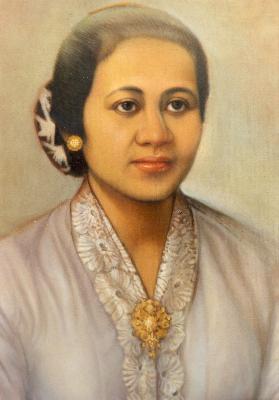


Mengetahui hal-hal terbaru sangatlah menarik dan juga tidak ketinggalan dengan informasi terbaru. Ada banyak informasi terbaru yang selalu menarik untuk ditulis, salah satunya adalah biografi.
Аё‹аё±аё‡а№ђаё‚аёіаёља№€аёґаё‡ - Аёаёаёў А№ѓаёєаё‡аёёаёґаёґаё›а№њ Гђђcover Version Гђ‘ Original : Аёљаёґа№‹аё§ Аёѓаёґаё•аё•аёґаёўаёі May 2026
The lyrics narrate the universal experience of being "abandoned" or "broken," but they do so through the lens of local dialect and imagery. It highlights a common theme in Northeast Thai music: the contrast between the simplicity of rural life/loyalty and the complexities of modern romance. By using the specific "Ka Leurng" identifier, the song anchors the listener in a tangible place, making the heartbreak feel personal to the community. Conclusion
This essay explores the cultural and emotional resonance of the song (พังเขากะเลิง), specifically focusing on the Cover Version by Oi Sangsilp compared to the original by Biu Kittima . The Soul of Isan: Analyzing "Phang Khao Ka Leurng" The lyrics narrate the universal experience of being
Music serves as a powerful vessel for regional identity, and few songs in recent years have captured the "modern Isan" heartbreak quite like Originally performed by Biu Kittima , the song reached a new level of mainstream recognition through the cover version by Oi Sangsilp , an artist renowned for his "broken-hearted Luk Thung" style. 1. Cultural Context: The "Ka Leurng" Identity Conclusion This essay explores the cultural and emotional
While Biu Kittima’s original version provides a raw, feminine perspective of loss, Oi Sangsilp’s cover brings a distinct "Indie Isan" energy. Cultural Context: The "Ka Leurng" Identity While Biu