Topaz Video AI v3.0.7 represents a significant milestone in the evolution of consumer-grade video enhancement software, blending sophisticated artificial intelligence with a user-centric interface to tackle long-standing challenges in digital cinematography. As a specialized tool focused on upscaling, deinterlacing, and motion interpolation, this version refines the transition from traditional algorithmic processing to neural network-based restoration. By examining its core capabilities, technical architecture, and impact on modern media workflows, one can understand why Topaz Video AI has become a staple for both archival restoration and high-end content creation.
However, the power of Topaz Video AI v3.0.7 also invites a discussion on the ethics and aesthetics of "perfecting" old media. While the tool is a miracle for restoring degraded family tapes or 19th-century archival film, some critics argue that overly aggressive AI sharpening can strip away the "organic" feel of original celluloid, leading to an "uncanny valley" effect where textures look plastic or artificial. This places the responsibility on the user to balance the software’s automated prowess with artistic discretion, ensuring that the enhancement serves the story rather than distracting from it.
Beyond simple upscaling, the software excels in temporal consistency through its "Apollo" and "Chronos" models. These tools handle frame rate conversion and slow-motion synthesis by generating entirely new, mathematically accurate frames between existing ones. In traditional editing, slowing down a video often results in "stuttering" as the same frame is repeated; Topaz Video AI eliminates this by predicting motion paths, creating fluid, high-frame-rate output from standard sources. This capability is invaluable for sports videography and cinematic sequences where high-speed cameras were not originally available.
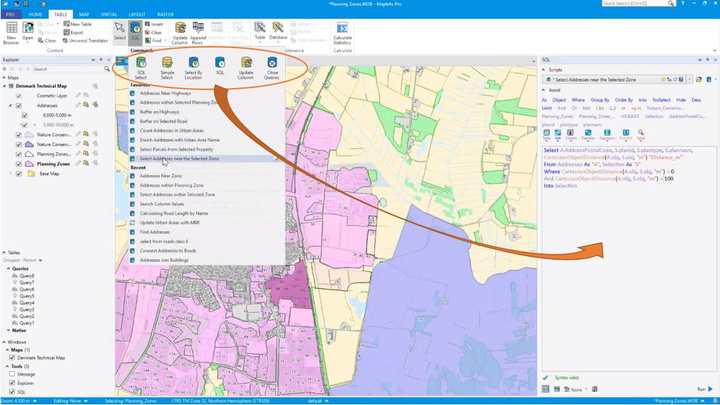
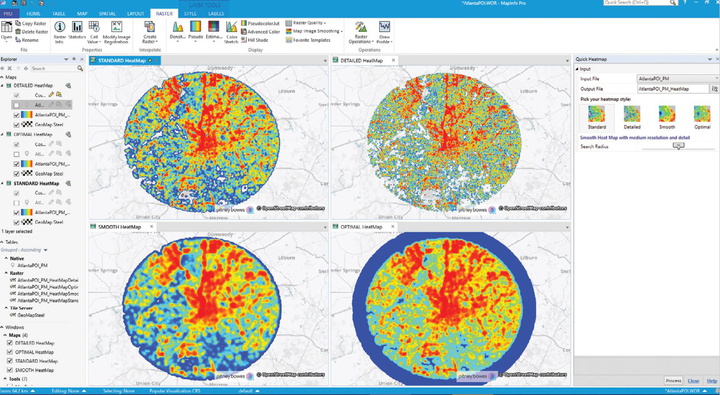
Turn your data into insights using the new heat mapping available within MapInfo Pro [FTUApps.com] - Topaz Video AI v3.0.7 (x64) Por...
Start with any file of people, places, or things and visualize the density of the locations as “hot spots” that help you make better decisions. For more power, upgrade to MapInfo® Pro Advanced and work with all kinds of raster data using the fast, highly compressed MRR format.
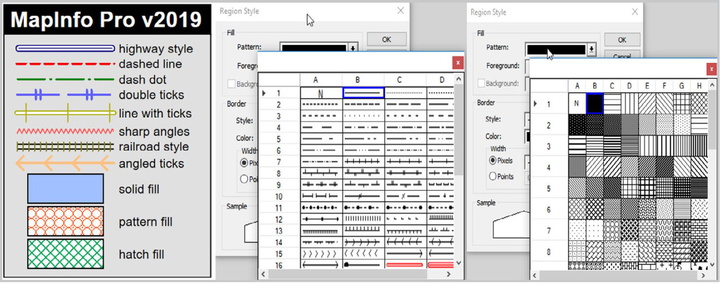
Make beautiful maps with layout improvements Topaz Video AI v3
Experience crisp line and fill styles, vectorized legends, faster redraws, snapping and alignment, templates, multipage layouts and improved output quality.
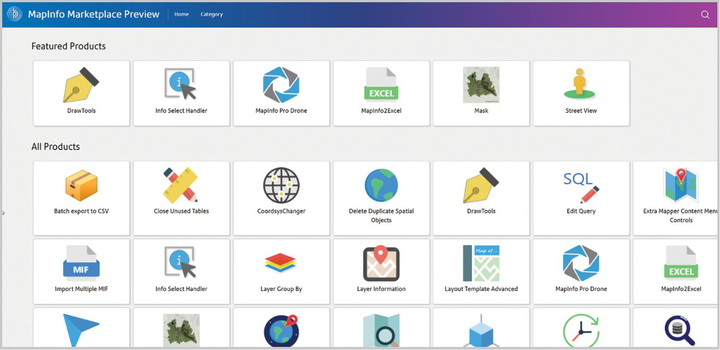
Enhance your location analytics with customized apps in the Marketplace However, the power of Topaz Video AI v3
Customized apps are released and updated continuously to help you solve your specific business needs.
Need imagery of a specific area? MapInfo® Pro Drone is available. Looking for additional special purpose tools? We have an app for that, too.
Knowledge Community connects everyone with specialists across Pitney Bowes organization to encourage the exchange of ideas, information and to ask product-related questions.
Knowledge CommunityUseful add-on applications for MapInfo Pro that you can download and install for your license.
ToolsTopaz Video AI v3.0.7 represents a significant milestone in the evolution of consumer-grade video enhancement software, blending sophisticated artificial intelligence with a user-centric interface to tackle long-standing challenges in digital cinematography. As a specialized tool focused on upscaling, deinterlacing, and motion interpolation, this version refines the transition from traditional algorithmic processing to neural network-based restoration. By examining its core capabilities, technical architecture, and impact on modern media workflows, one can understand why Topaz Video AI has become a staple for both archival restoration and high-end content creation.
However, the power of Topaz Video AI v3.0.7 also invites a discussion on the ethics and aesthetics of "perfecting" old media. While the tool is a miracle for restoring degraded family tapes or 19th-century archival film, some critics argue that overly aggressive AI sharpening can strip away the "organic" feel of original celluloid, leading to an "uncanny valley" effect where textures look plastic or artificial. This places the responsibility on the user to balance the software’s automated prowess with artistic discretion, ensuring that the enhancement serves the story rather than distracting from it.
Beyond simple upscaling, the software excels in temporal consistency through its "Apollo" and "Chronos" models. These tools handle frame rate conversion and slow-motion synthesis by generating entirely new, mathematically accurate frames between existing ones. In traditional editing, slowing down a video often results in "stuttering" as the same frame is repeated; Topaz Video AI eliminates this by predicting motion paths, creating fluid, high-frame-rate output from standard sources. This capability is invaluable for sports videography and cinematic sequences where high-speed cameras were not originally available.