



















Please click here for ticket info

FREE TO PLAY is available now:
Watch on Steam Watch on Youtube Watch on Itunes Watch on Amazon Watch on VHX
Free to Play will be available for free on Steam March 19th, 2014!
The Free to Play Pack will also be available for purchase on Steam and the Dota 2 Store, and 25% of the sales will be distributed to the players featured in the film as well as the contributors. The Free to Play Pack will include the following:
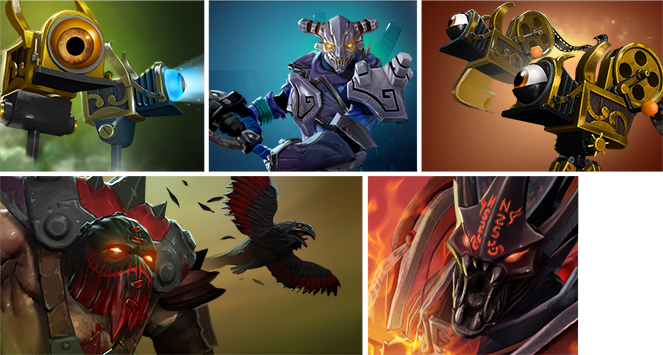
Items will be available on March 19th, 2014 at the Dota 2 Store and Steam

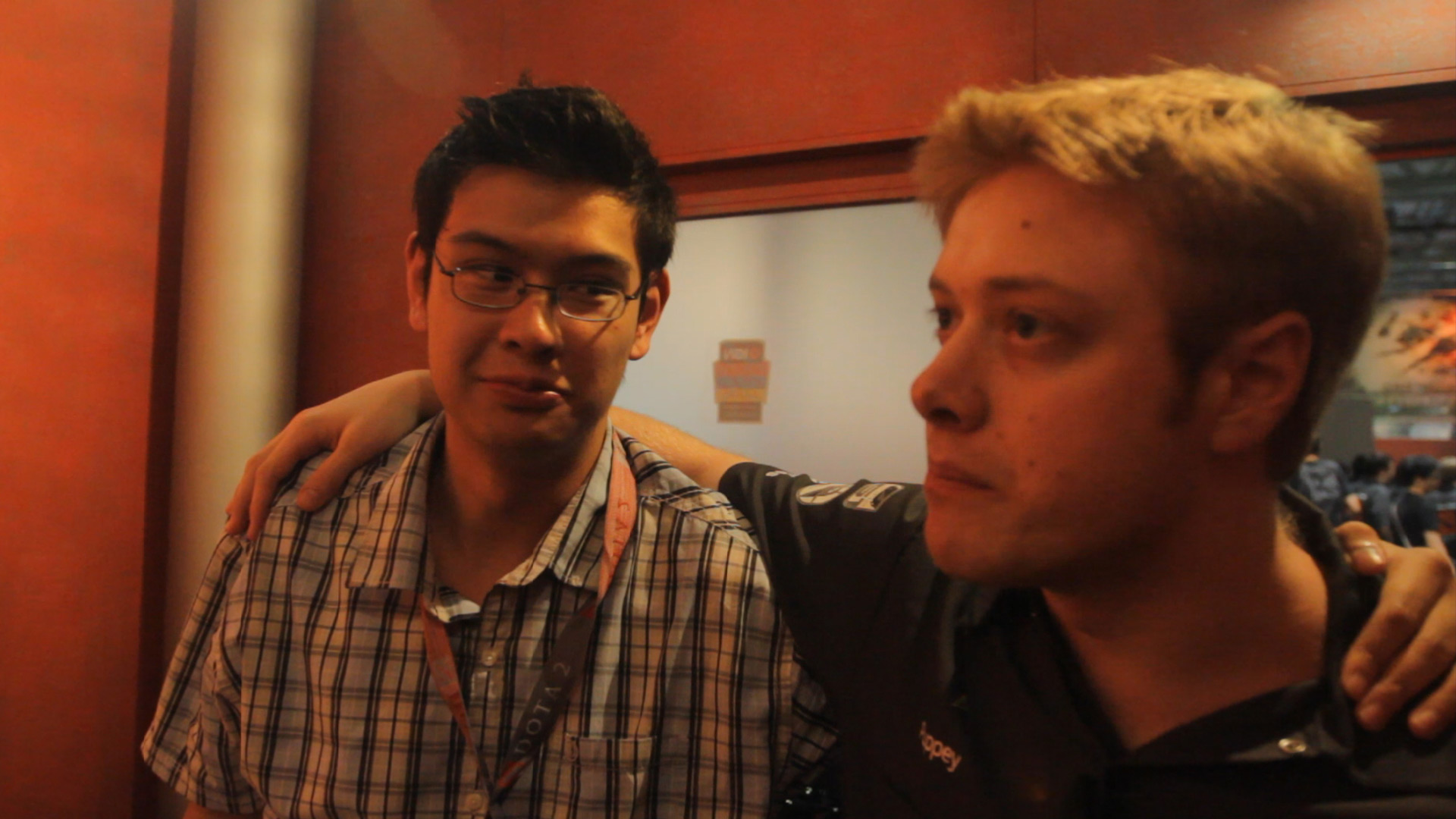
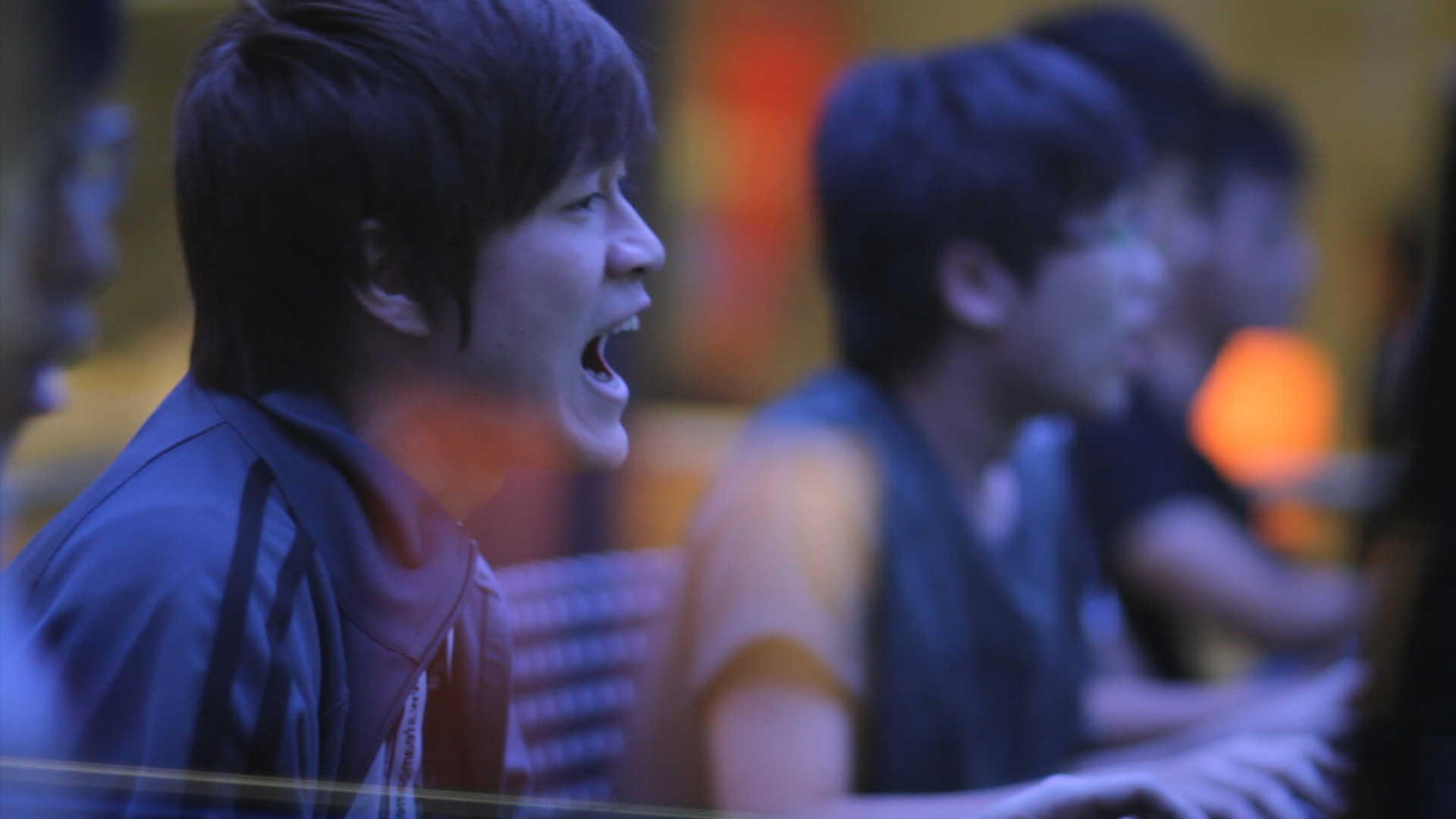
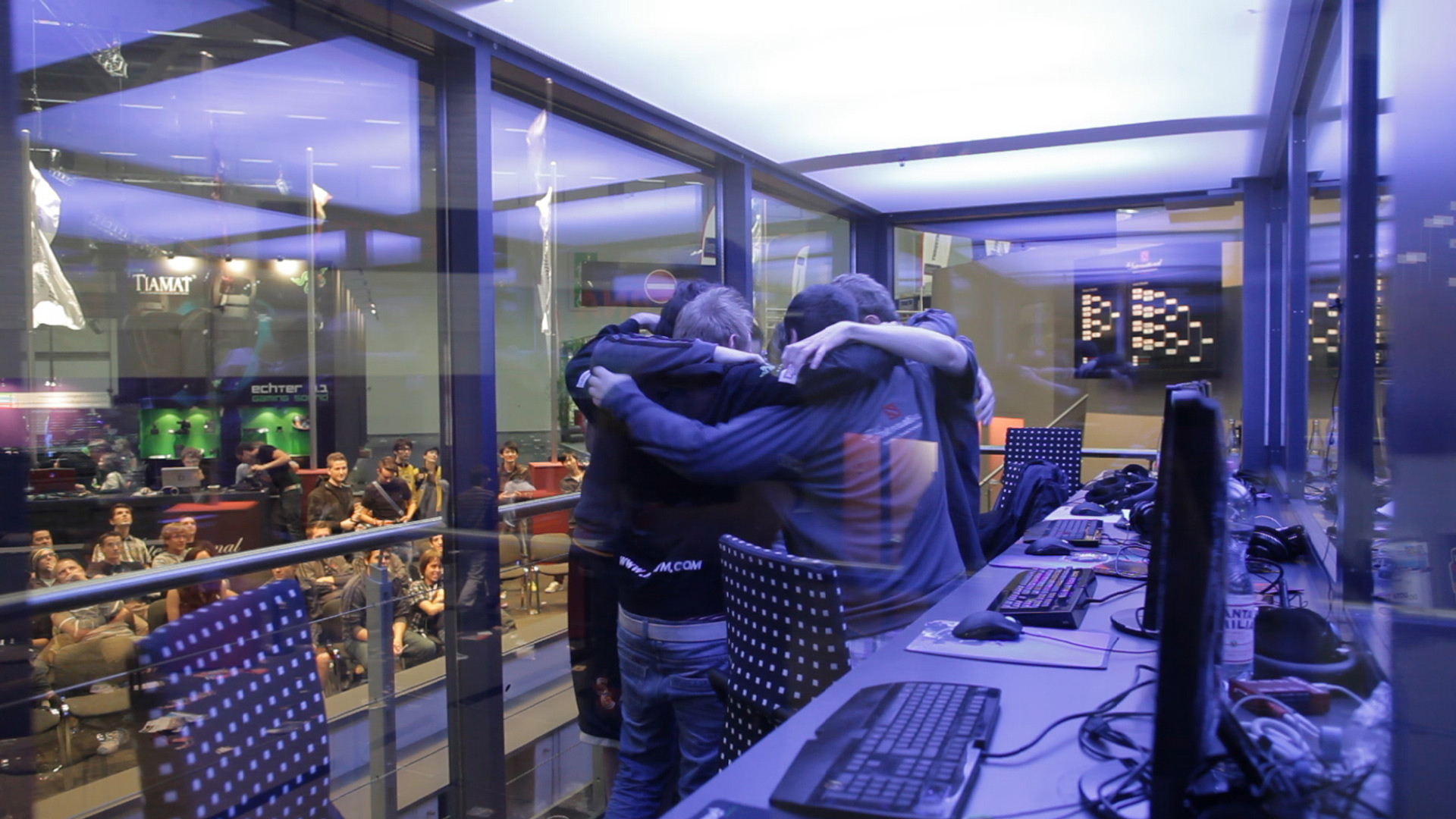
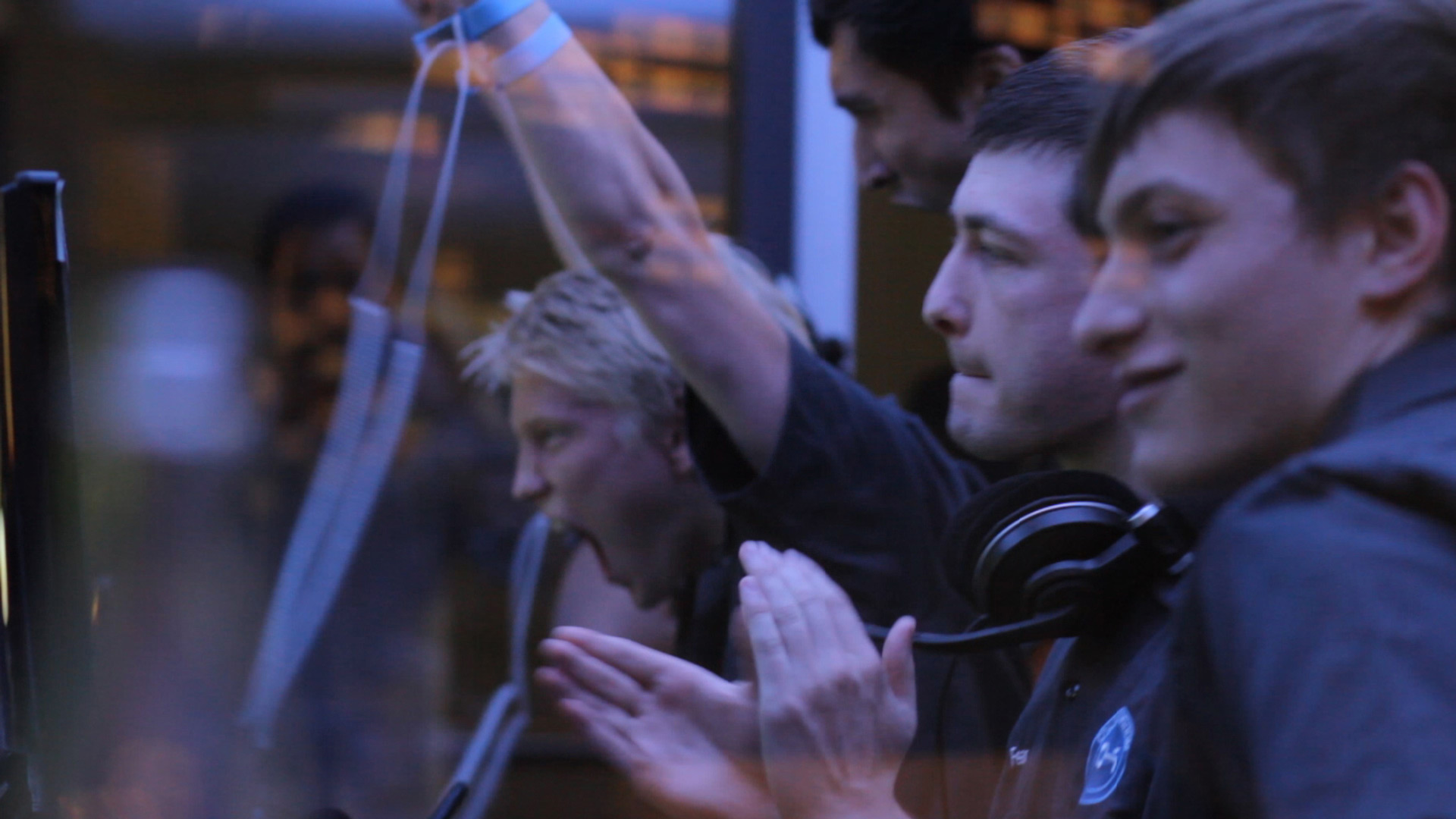
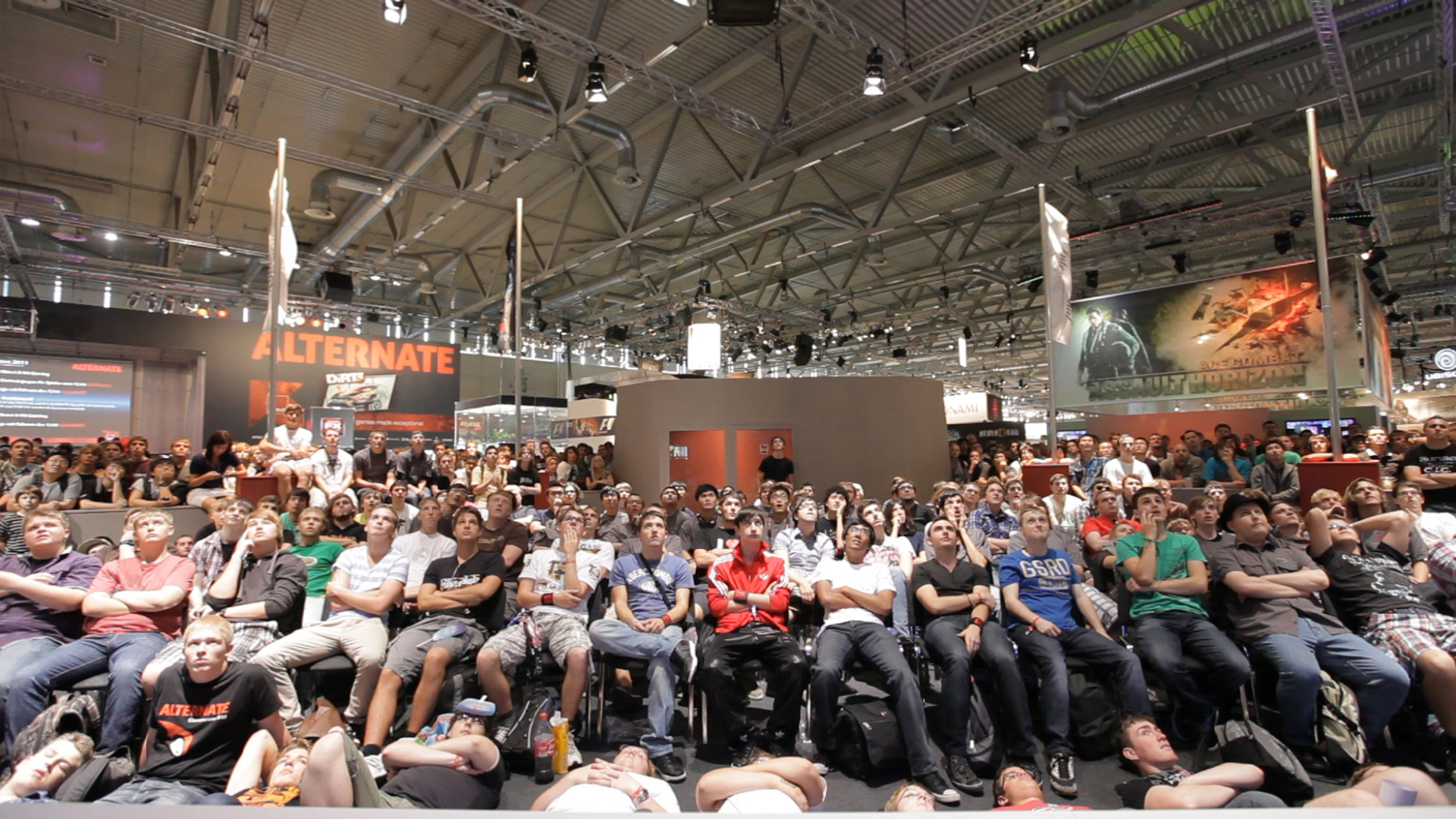
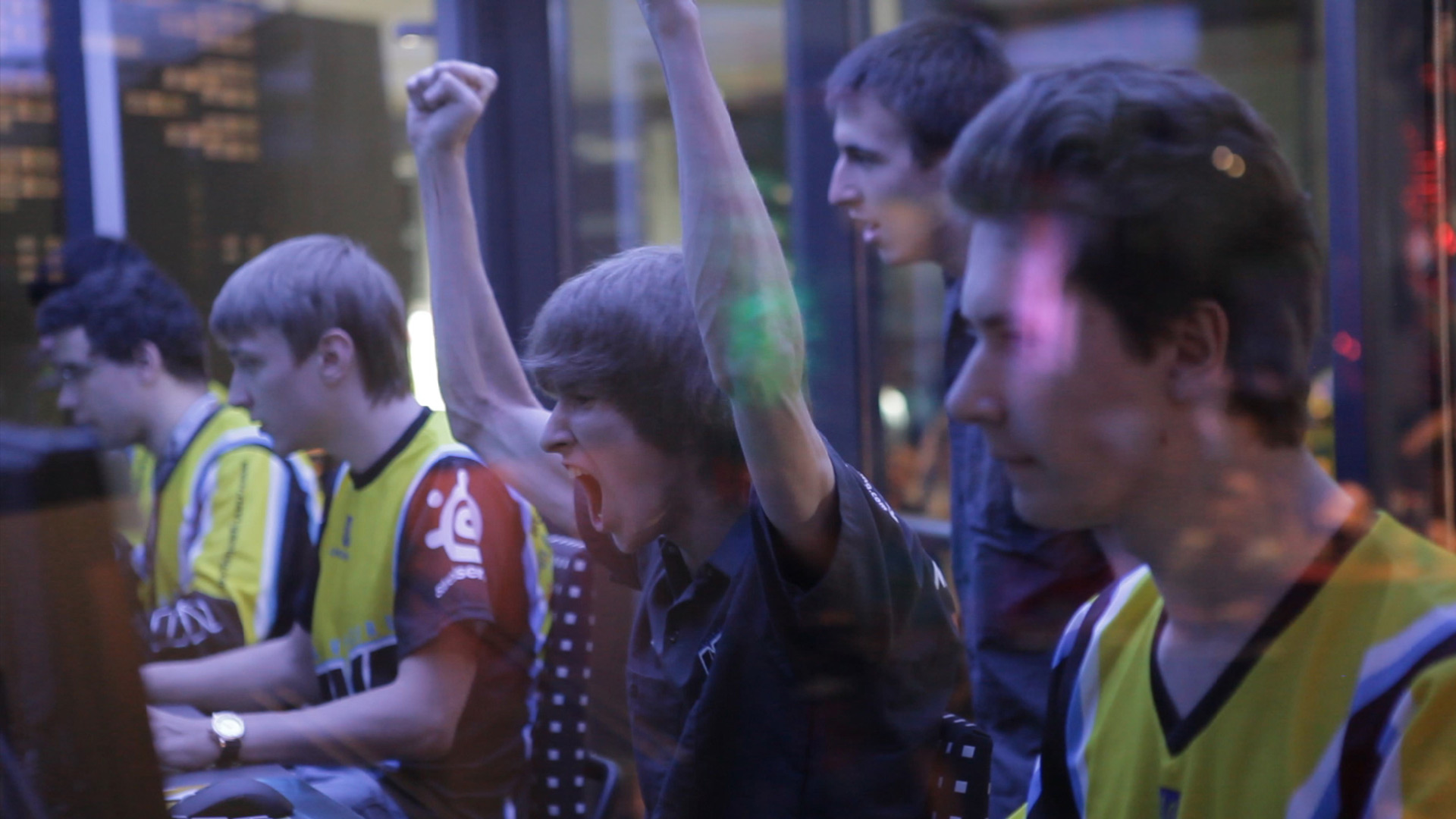
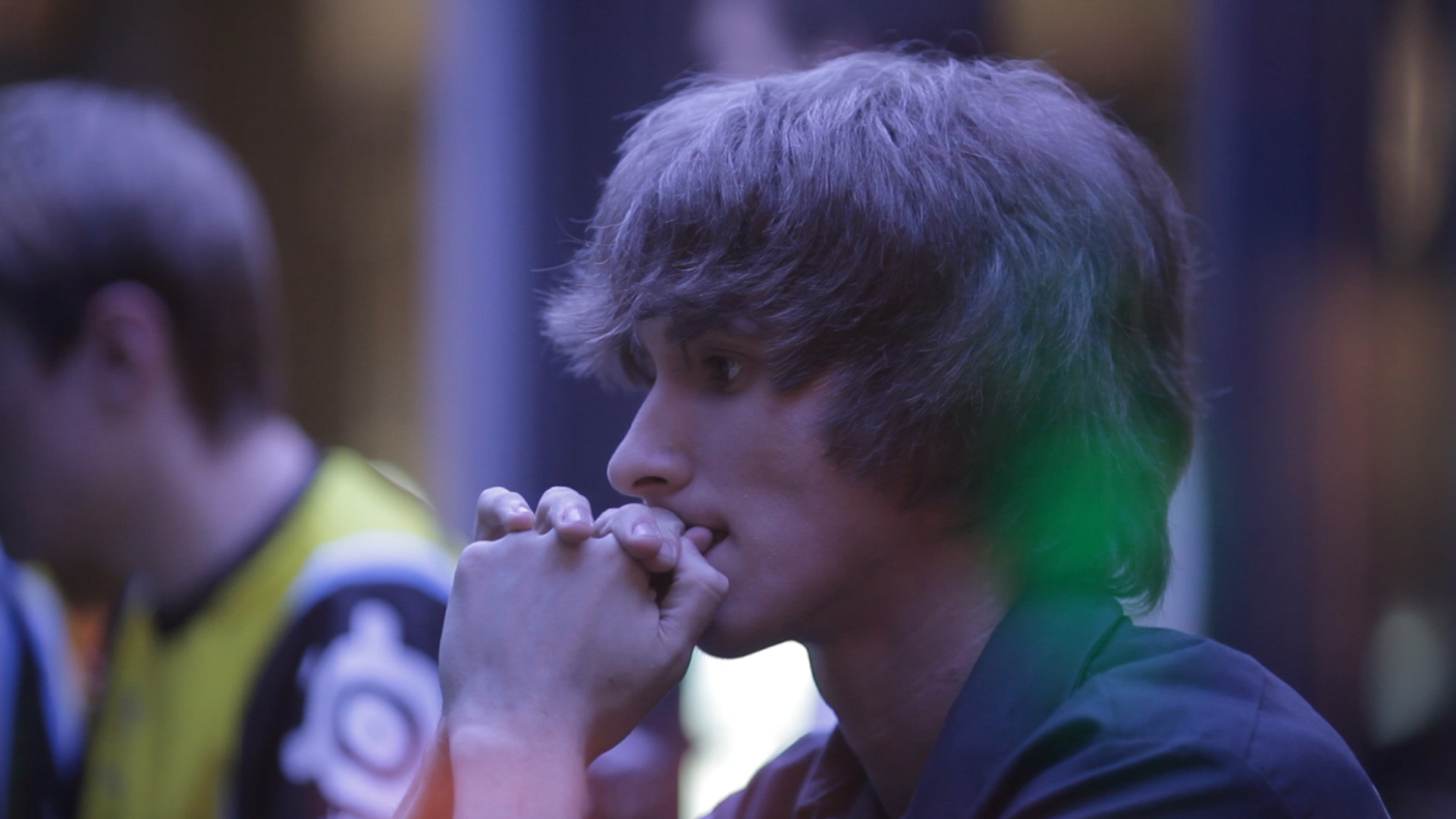
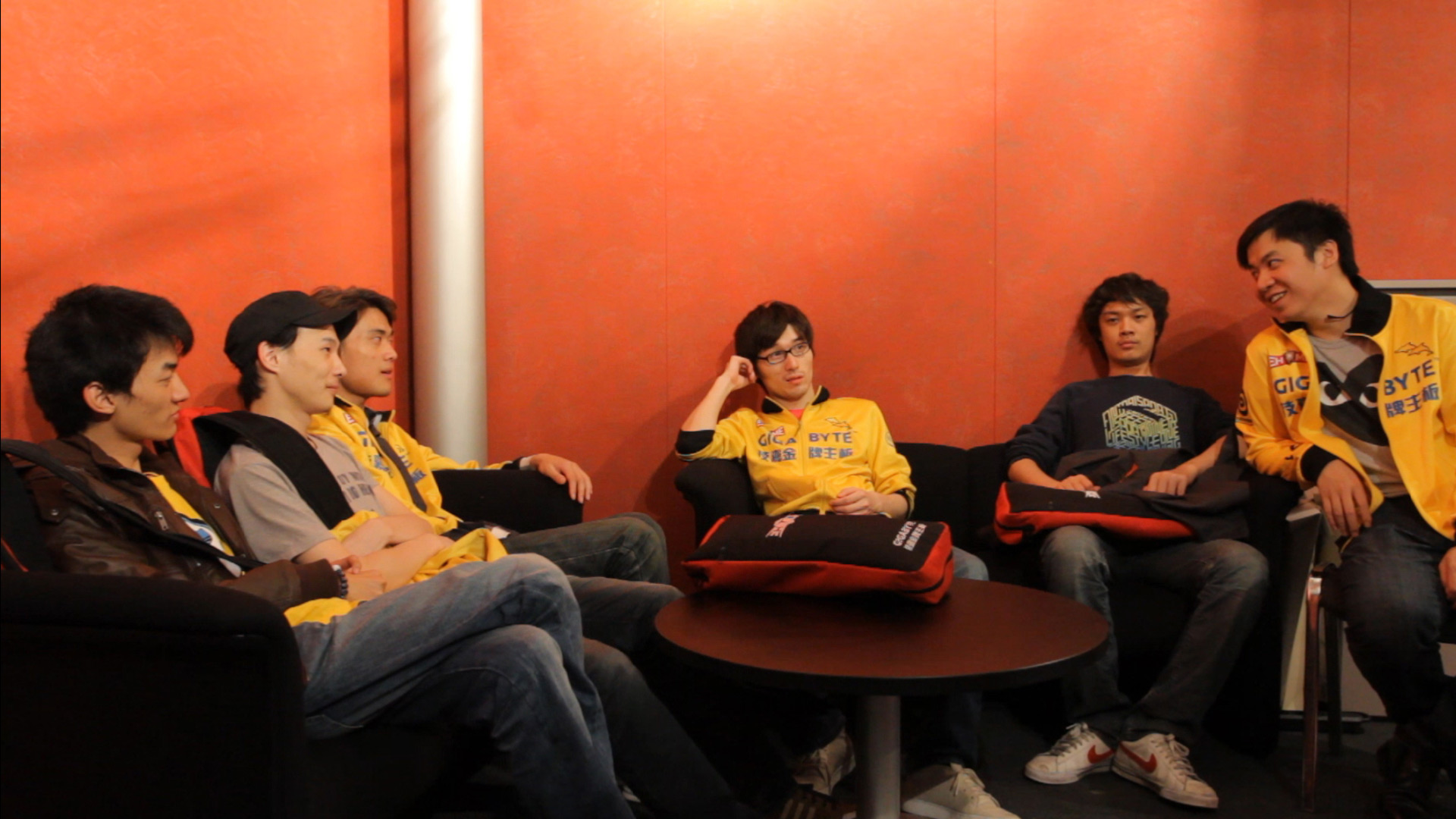
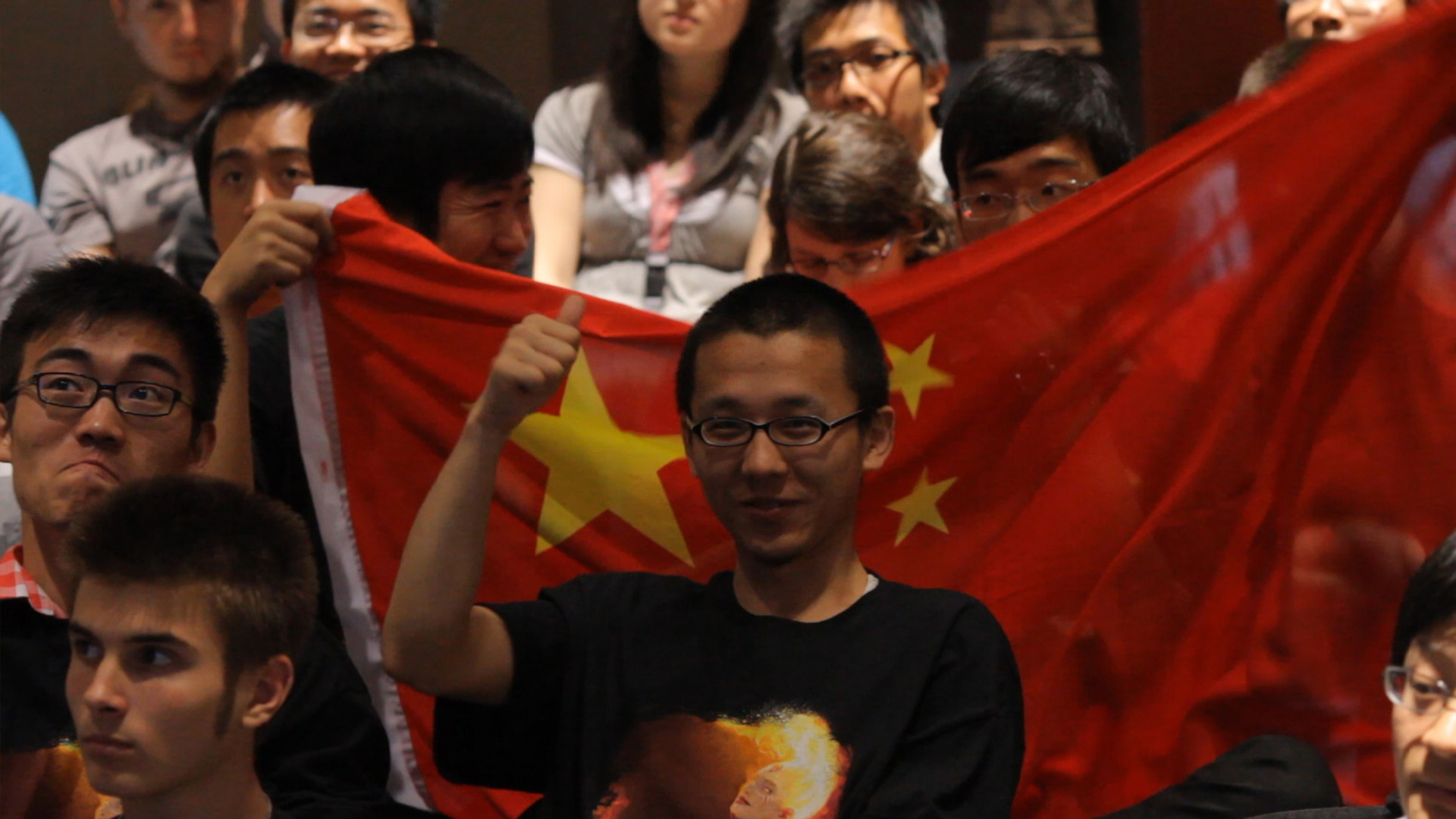
FREE TO PLAY is a feature-length documentary that follows three professional gamers from around the world as they compete for a million dollar prize in the first Dota 2 International Tournament. In recent years, E Sports has surged in popularity to become one of the most widely-practiced forms of competitive sport today. A million dollar tournament changed the landscape of the gaming world and for those elite players at the top of their craft, nothing would ever be the same again. Produced by Valve, the film documents the challenges and sacrifices required of players to compete at the highest level.
The debate surrounding these trends highlights a broader conversation about digital ethics. It forces a look at how developers must balance the desire for "realism" and user autonomy with the responsibility of protecting users from the influence of inappropriate subcultures. As these platforms continue to grow, the friction between open-world creativity and the enforcement of strict community guidelines remains a defining aspect of the digital landscape. In conclusion, the development of specialized avatar aesthetics is a testament to user ingenuity, but it also underscores the ongoing need for robust moderation and clear ethical boundaries in social gaming.
The evolution of digital identity on massive social platforms represents a significant shift in how individuals express themselves online. In environments such as Roblox, the transition from basic, blocky character models to highly customizable systems has allowed for a wide range of creative expression, but it has also introduced complex challenges regarding platform safety and community standards. Roblox VU.loli
As platforms provide more granular control over avatar proportions and clothing, subcultures naturally emerge that push the boundaries of standard design. These movements often focus on "Very Unrealistic" proportions or niche internet aesthetics, treating the digital body as a canvas for artistic experimentation. However, when these customizations begin to mimic specific archetypes that conflict with safety guidelines, it creates a tension between creative freedom and the necessity of maintaining a secure environment for a younger audience. The debate surrounding these trends highlights a broader
One of the primary challenges for modern digital spaces is the management of "bypass" culture. This occurs when users attempt to circumvent automated moderation filters to upload content or designs that may be considered inappropriate or suggestive. For platforms with a high population of minors, the emergence of subcultures that blur the lines between innocent play and adult-oriented aesthetics requires constant vigilance. As platforms provide more granular control over avatar

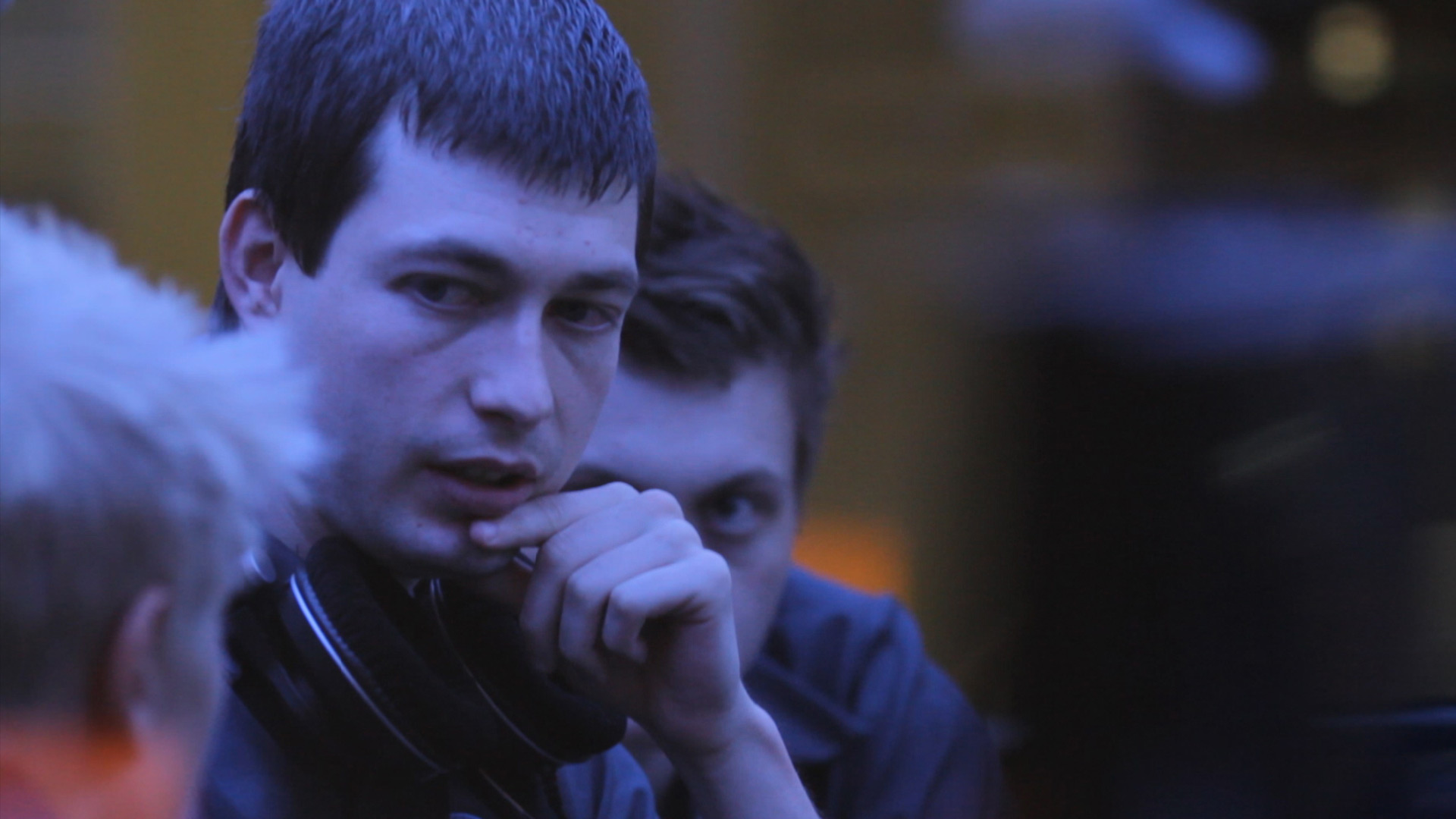
Born in L’viv, Ukraine, Dendi began playing video games at a young age after his older brother received a PC from their grandmother. As he had with his other early interests in life, music and dancing, Dendi picked up games very quickly and was soon excelling far beyond his age bracket. The prodigious dexterity earned through long hours of piano study was soon put to use in local gaming tournaments where he earned a reputation as a dominant and creative competitor. Though he was successful at other games, he knew he found his calling when he stumbled upon Dota.

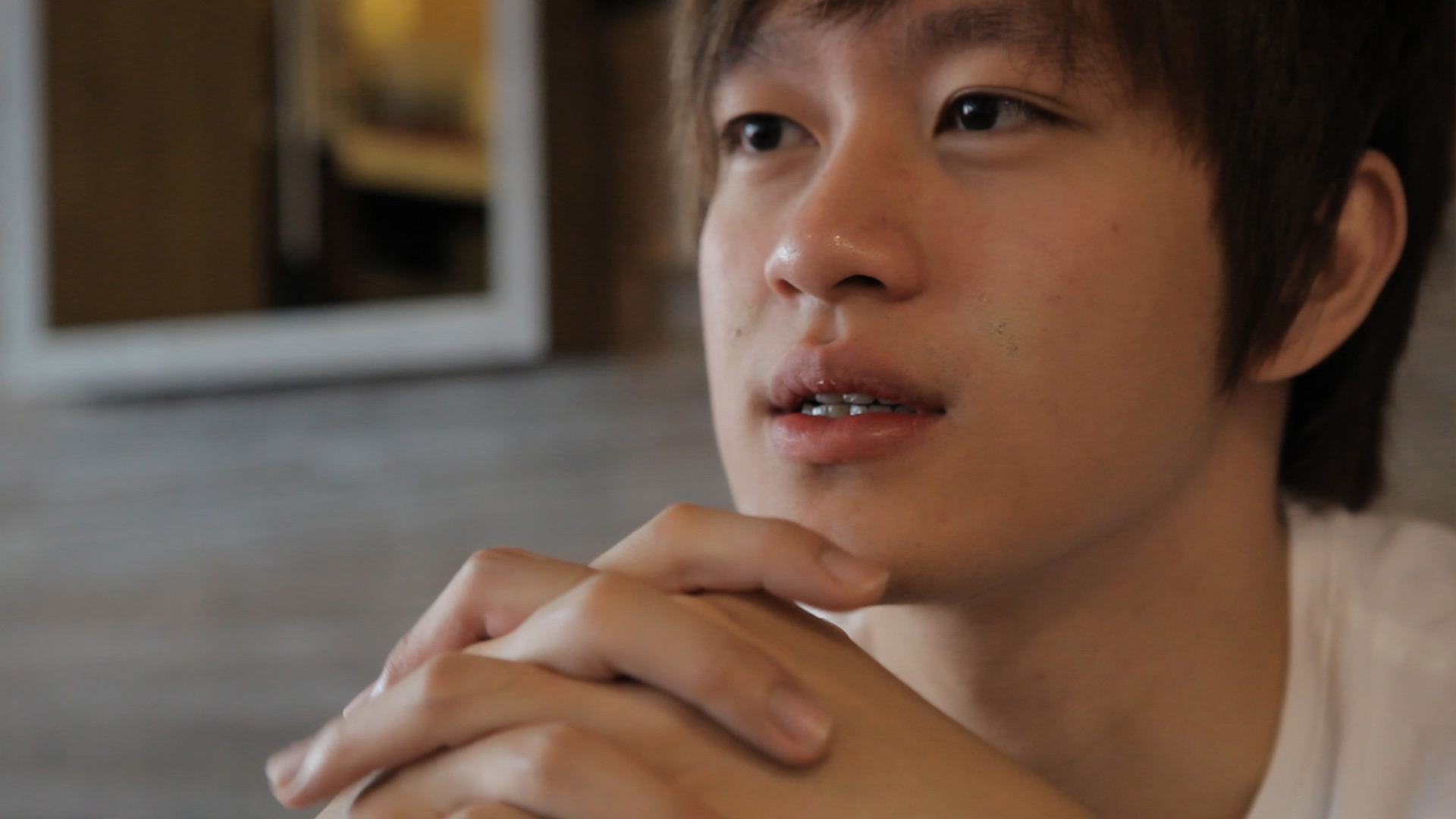
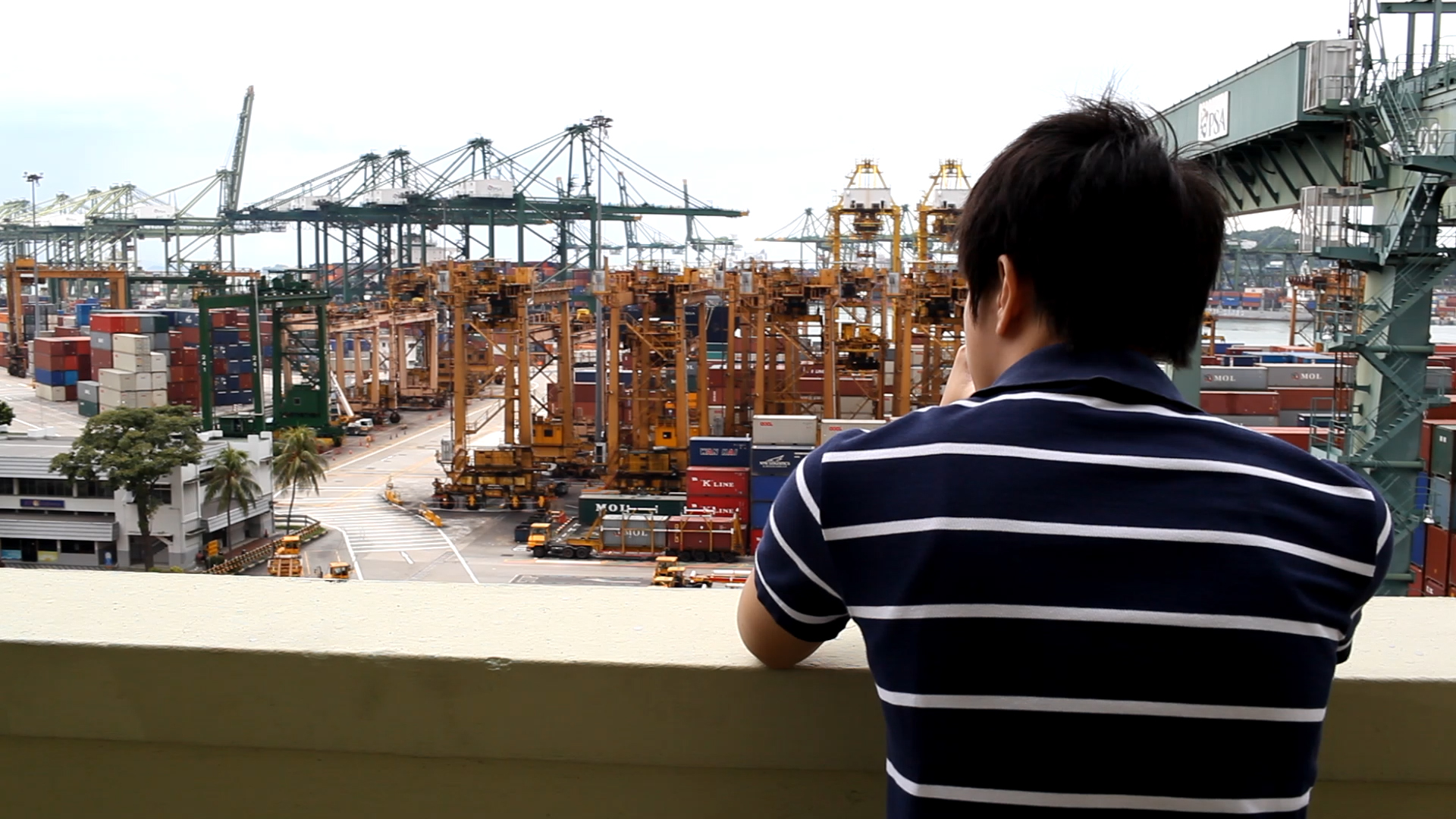
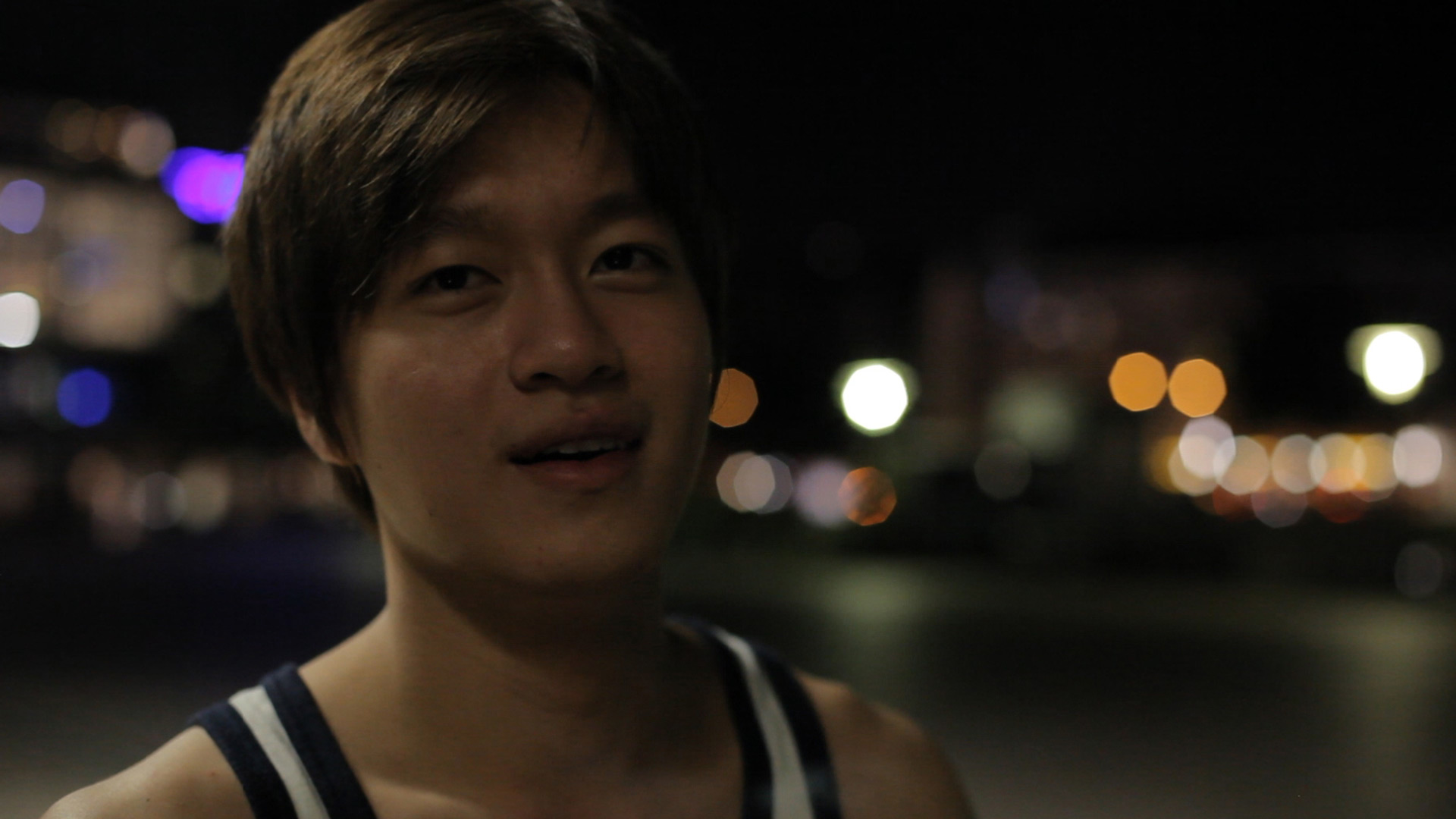
If you’ve followed the development of Singaporean Dota, then Benedict “HyHy” Lim is a name that is familiar to you. Born in Singapore on 1990, HyHy’s rise to prominence began when he and teammates represented Singapore in the 2007 Asian Cyber Games. The following year, he was victorious in the Electronic Sports World Cup. Since then his body of work has become a pillar in the Dota 2 community. Never one to shy away from controversy, HyHy speaks his mind, and has made a name for himself as one of professional gaming’s most driven and versatile players.
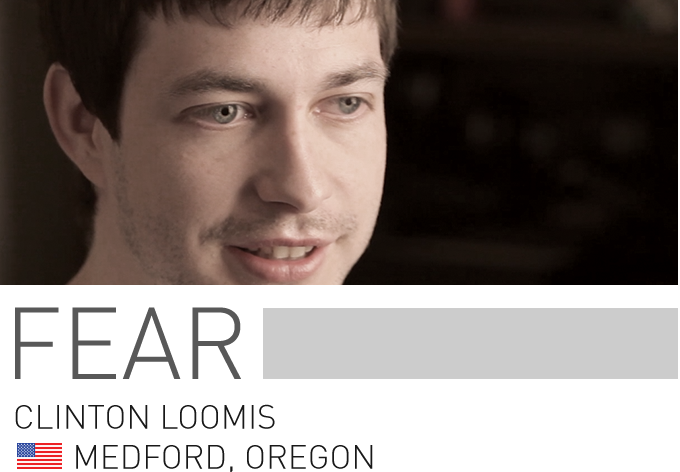
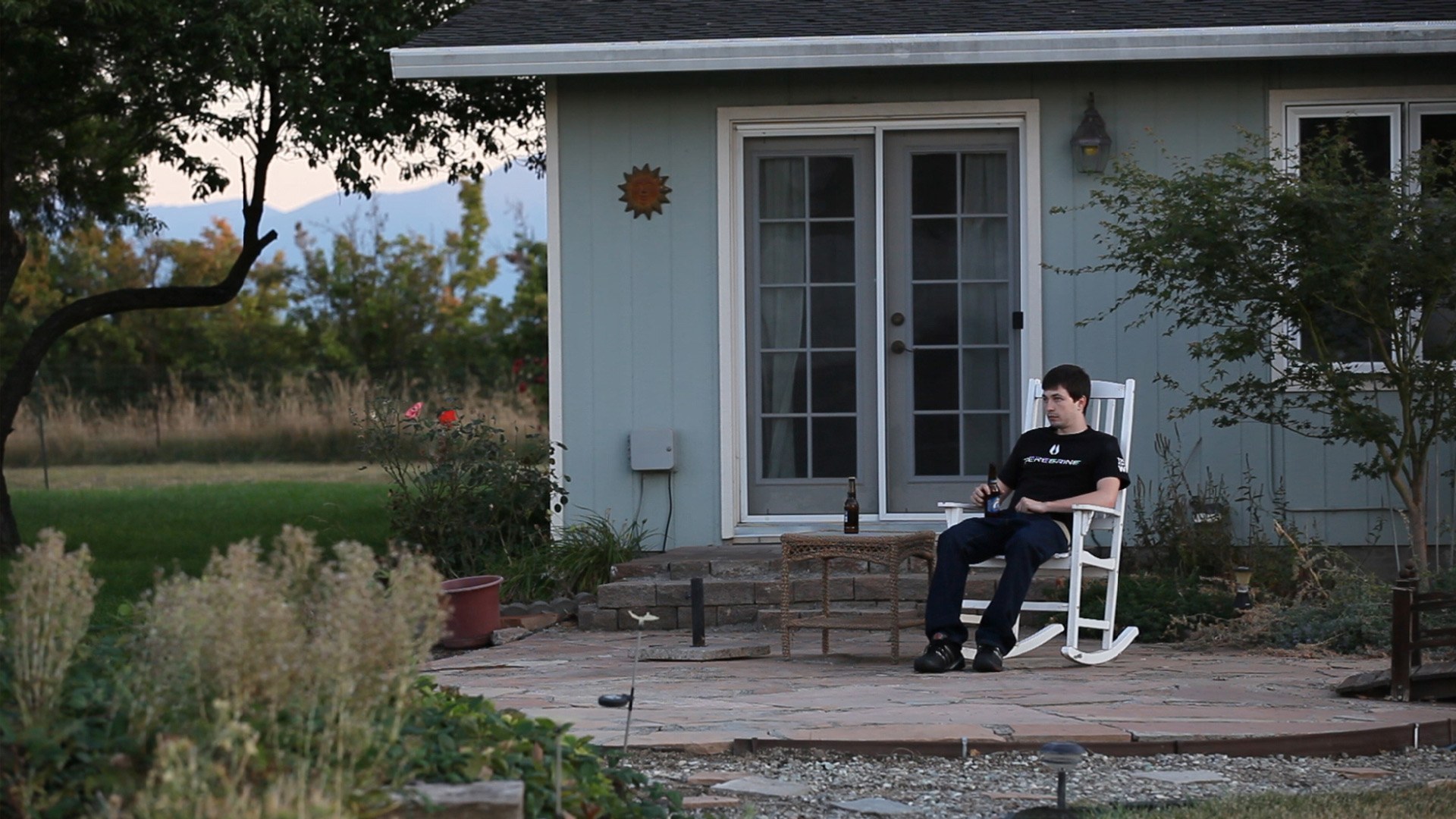
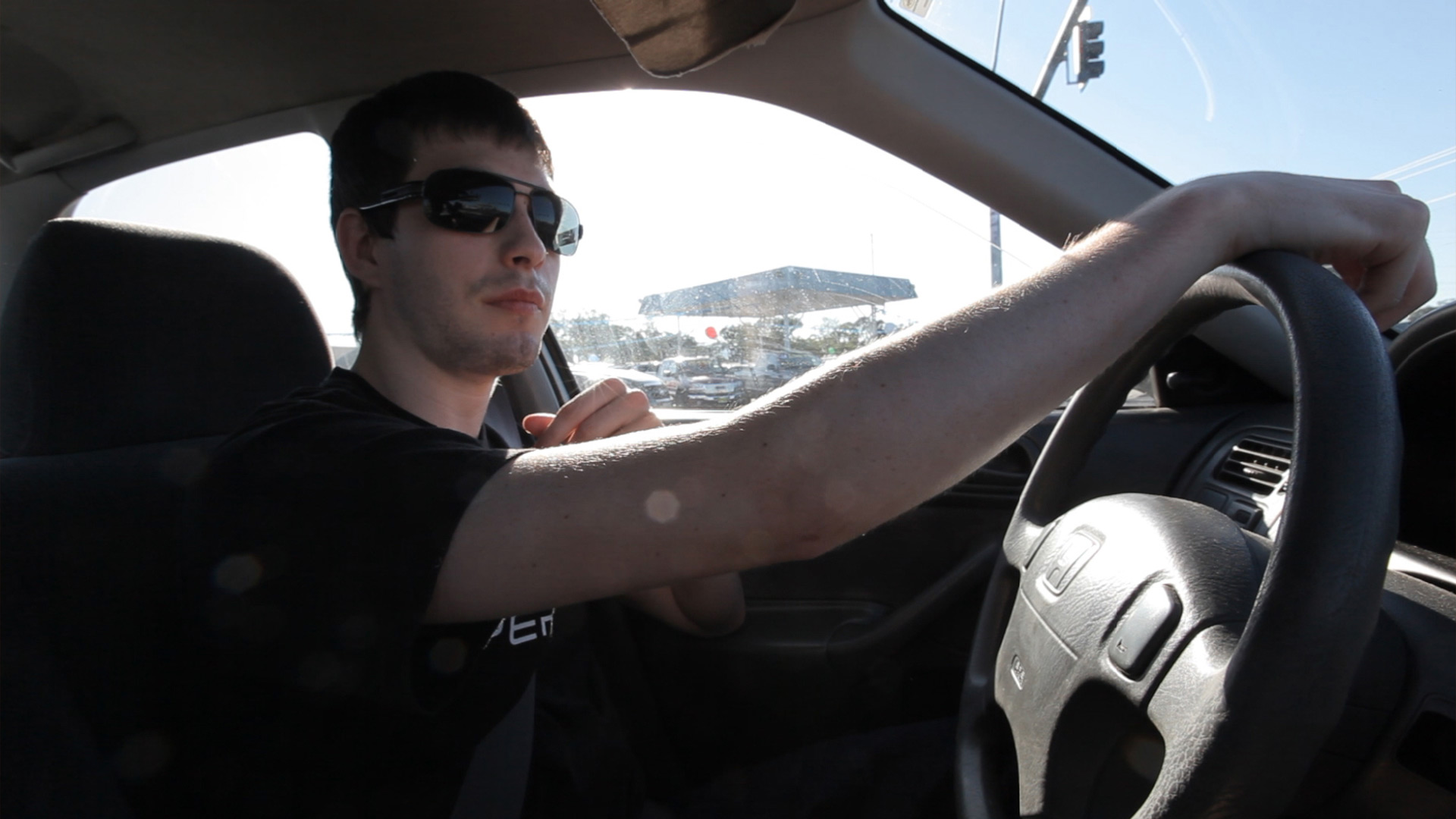
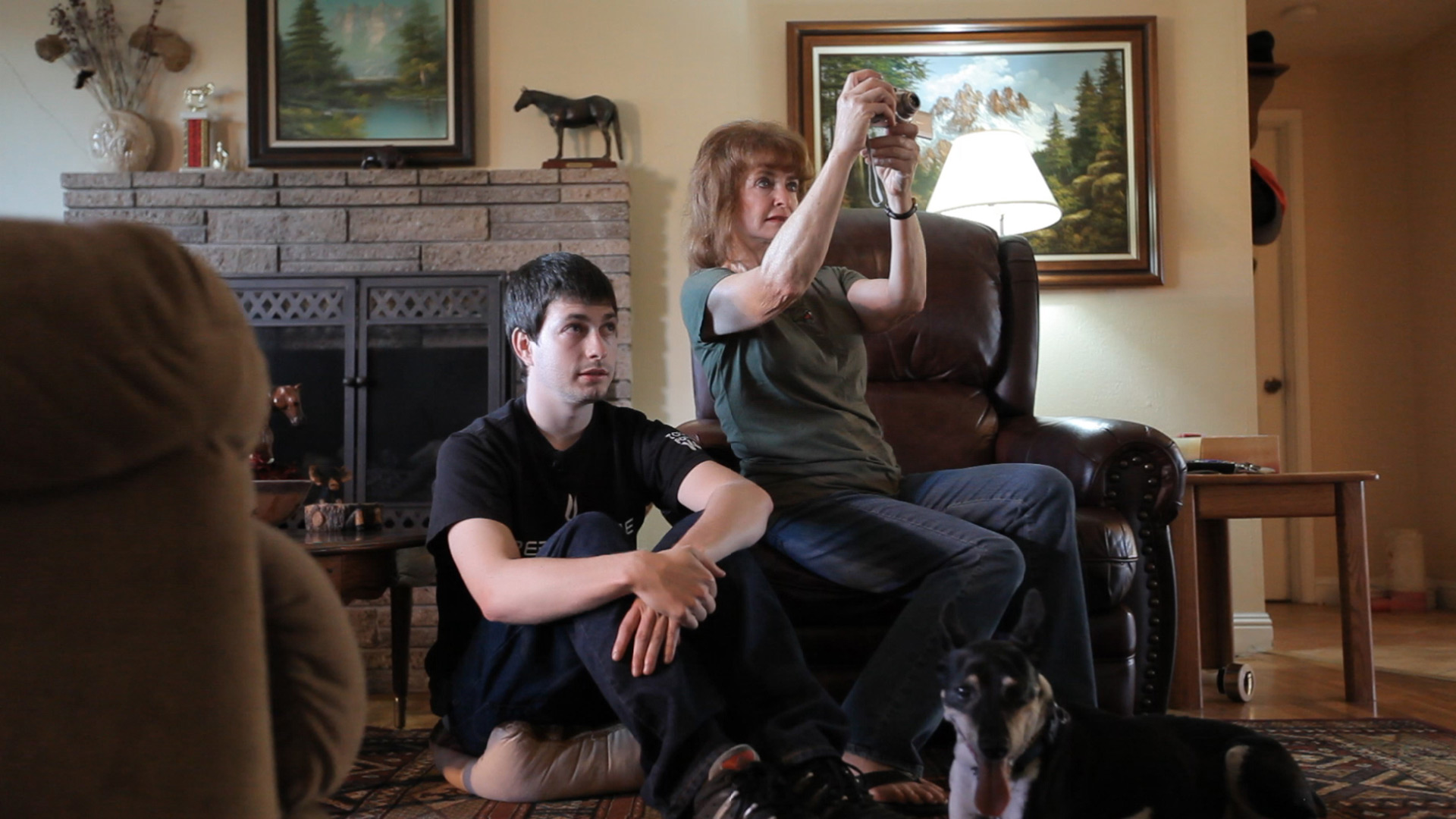
Arguably among the most formidable Dota 2 players to ever come out of the Western Hemisphere, Clinton “Fear” Loomis, has never had an easy path in front of him. Ever the underdog, he’s used a balance of raw skill and hard-earned experience to overcome the isolation that US players often face when they compete at the highest level. Born 1988, his work ethic and dedication have taken him from Medford, Oregon to Europe, to China, and finally to the Dota 2 International, the tournament with the largest prize pool in the history of video games.
The debate surrounding these trends highlights a broader conversation about digital ethics. It forces a look at how developers must balance the desire for "realism" and user autonomy with the responsibility of protecting users from the influence of inappropriate subcultures. As these platforms continue to grow, the friction between open-world creativity and the enforcement of strict community guidelines remains a defining aspect of the digital landscape. In conclusion, the development of specialized avatar aesthetics is a testament to user ingenuity, but it also underscores the ongoing need for robust moderation and clear ethical boundaries in social gaming.
The evolution of digital identity on massive social platforms represents a significant shift in how individuals express themselves online. In environments such as Roblox, the transition from basic, blocky character models to highly customizable systems has allowed for a wide range of creative expression, but it has also introduced complex challenges regarding platform safety and community standards.
As platforms provide more granular control over avatar proportions and clothing, subcultures naturally emerge that push the boundaries of standard design. These movements often focus on "Very Unrealistic" proportions or niche internet aesthetics, treating the digital body as a canvas for artistic experimentation. However, when these customizations begin to mimic specific archetypes that conflict with safety guidelines, it creates a tension between creative freedom and the necessity of maintaining a secure environment for a younger audience.
One of the primary challenges for modern digital spaces is the management of "bypass" culture. This occurs when users attempt to circumvent automated moderation filters to upload content or designs that may be considered inappropriate or suggestive. For platforms with a high population of minors, the emergence of subcultures that blur the lines between innocent play and adult-oriented aesthetics requires constant vigilance.