The action choreography is essentially a dance. Unlike traditional "mass" movies where the hero is invincible, Wazim gets beaten up—a lot. The fight in the theater or the chaotic wedding brawl are choreographed to the beat of the music (composed by Vishnu Vijay), making the violence feel rhythmic and almost celebratory rather than grim. 4. The "Vlogger" Reality
At first glance, Khalid Rahman’s Thallumaala (Chain of Fights) seems like a simple story about a hot-headed young man, Wazim, who can’t stop getting into scraps. But underneath the neon lights and fast cuts lies a sophisticated exploration of digital-age ego, "Vlogger" culture, and the geography of Malabar. 1. The Non-Linear Flex
The relationship between Wazim (Tovino Thomas) and Beepathu (Kalyani Priyadarshan) is a fascinating look at celebrity in the Instagram age. Their romance is mediated through screens, followers, and public perception. Beepathu isn't just a love interest; she is a power player in a world where "views" dictate status.
Thallumaala is a "maximalist" film. It’s loud, colorful, and intentionally messy. It captures a specific subculture with such energy that it feels like a 140-minute music video. If you’re looking for a deep plot, you might miss the point—the style is the substance here.
The movie doesn't just tell a story; it throws pieces of a puzzle at you while you're on a roller coaster. By jumping across different timelines—identified by Wazim's changing hairstyles and outfits—the film mimics the fragmented attention span of the social media era. It treats "clout" as a currency, where every fight isn't just about winning, but about how it looks on camera. 2. Fashion as Armor
If you want to catch it legally in high quality, it is currently streaming on Netflix, where you can appreciate the actual cinematography and sound design that a compressed 720p rip just can't capture.
MASSAGE
SEND
×The message has been sent!
In the near future we will reply to you.
Regards WDS
|
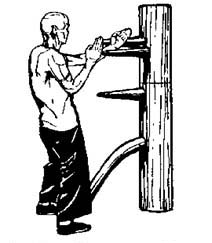
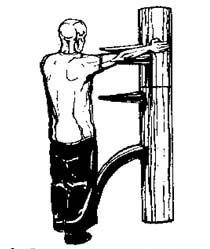
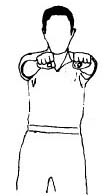
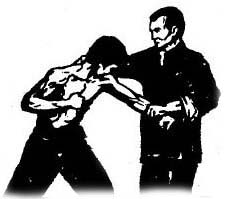
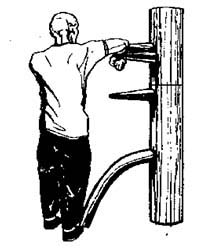
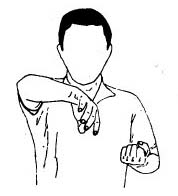
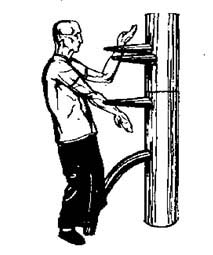
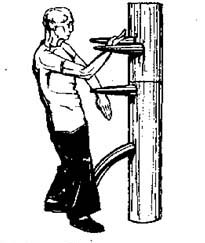
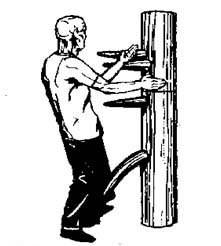
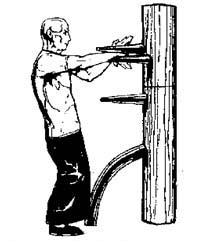
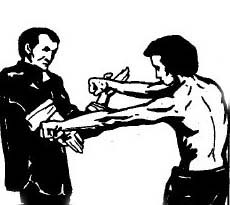
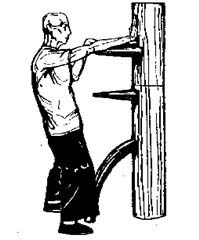
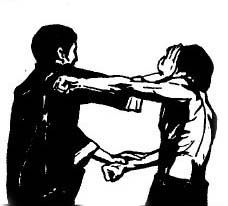
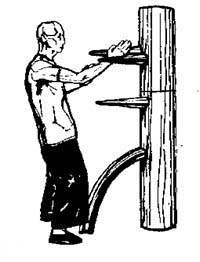
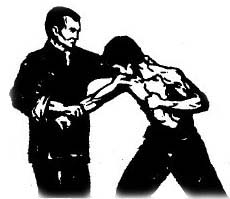
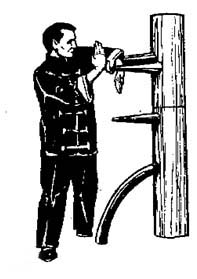
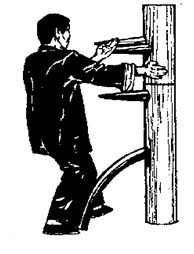
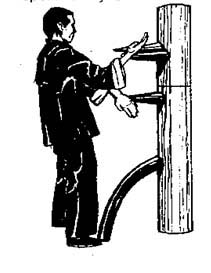
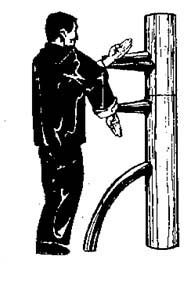
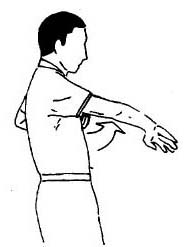
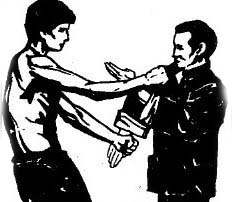
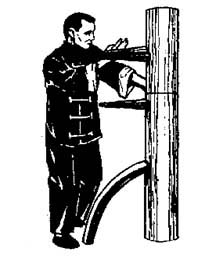
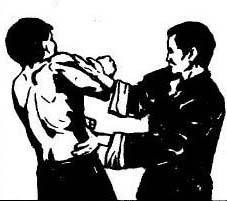
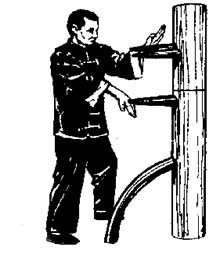
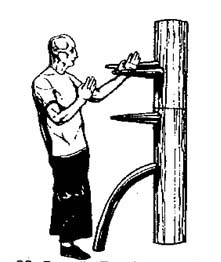
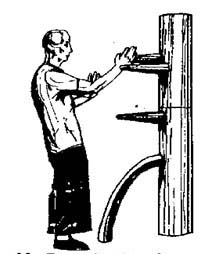
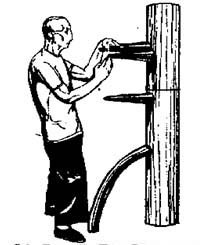
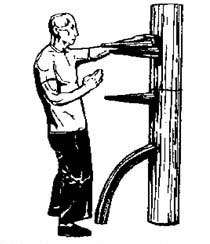
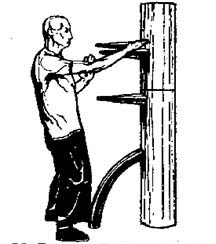
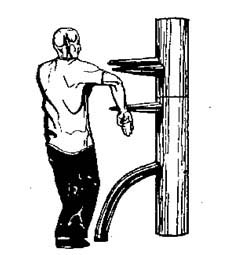
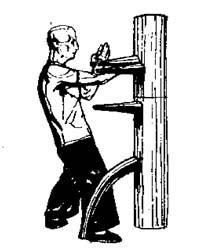
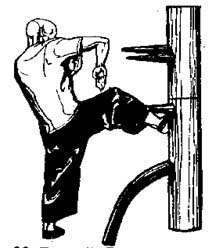
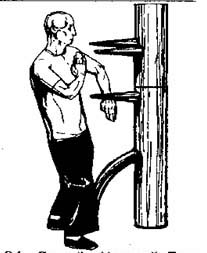
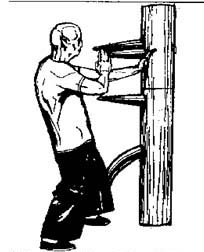
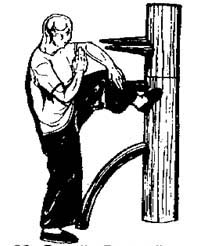
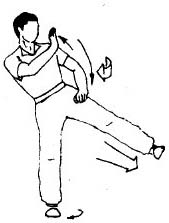
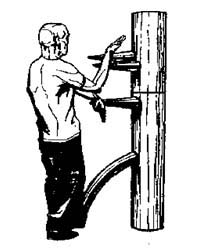
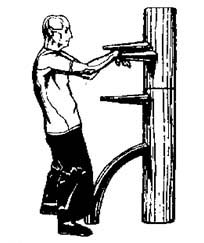
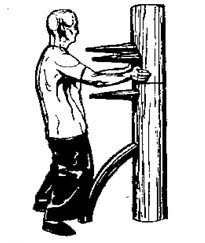
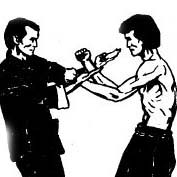
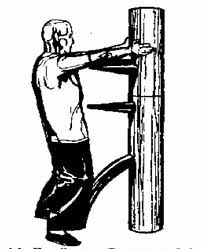
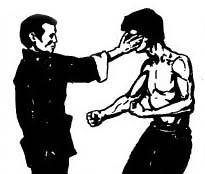
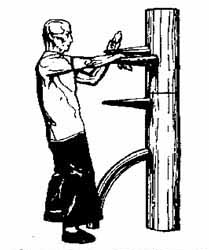
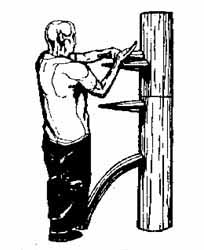
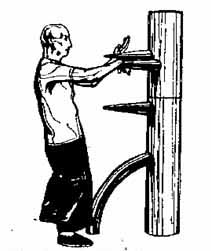
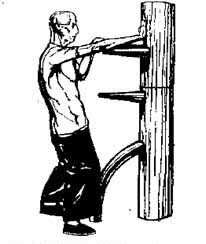
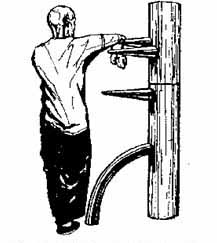
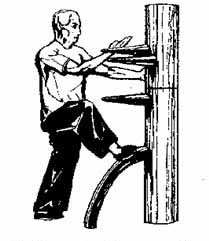
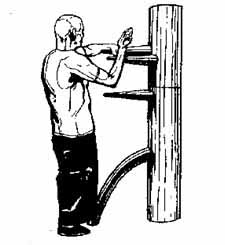
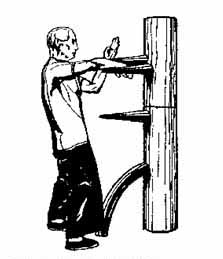
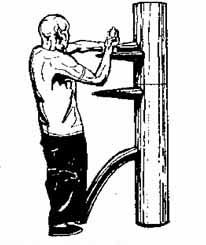
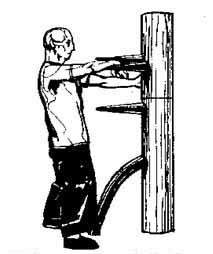
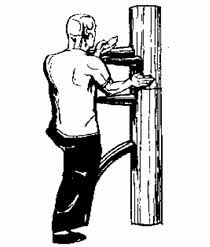
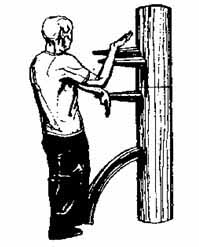
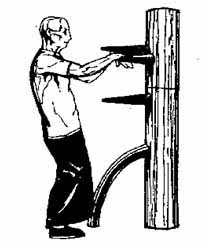
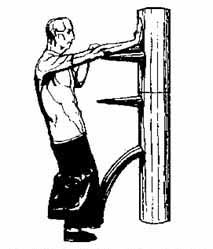
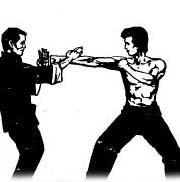
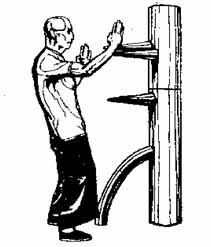
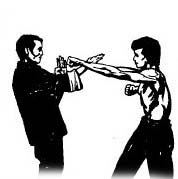
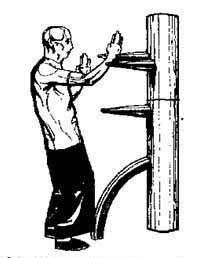
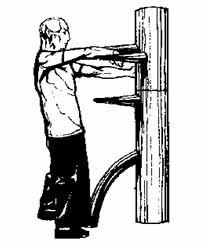
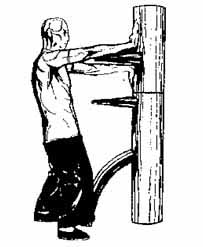
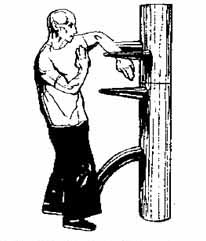
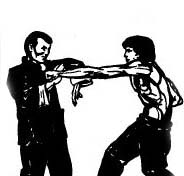
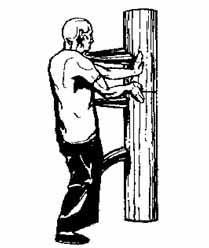
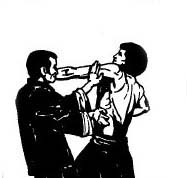
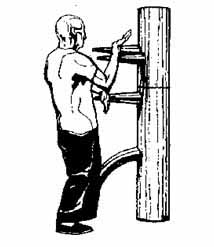
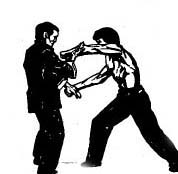
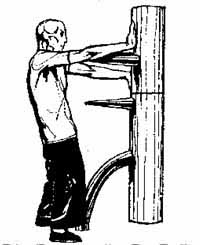
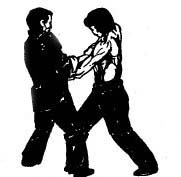
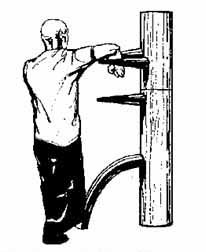
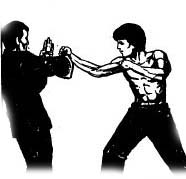
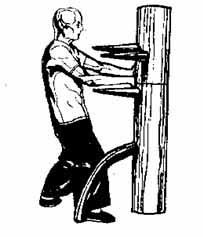
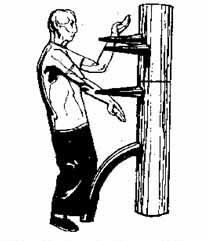
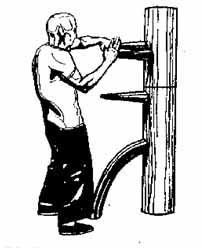
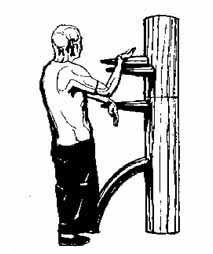
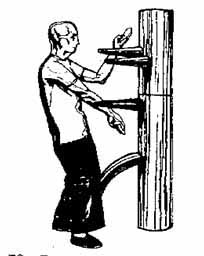
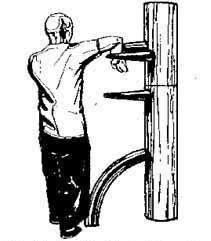
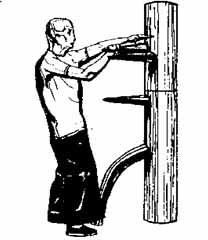
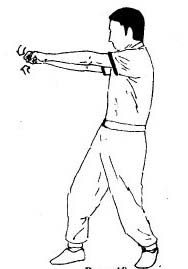
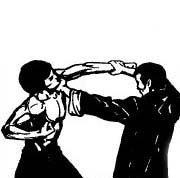
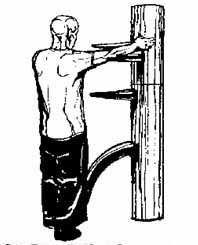
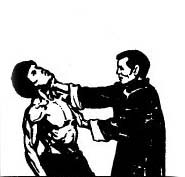
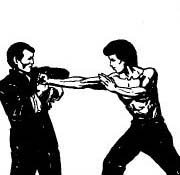
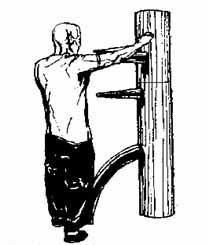
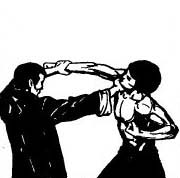
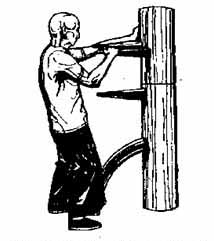
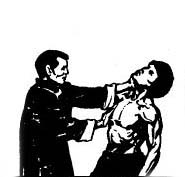
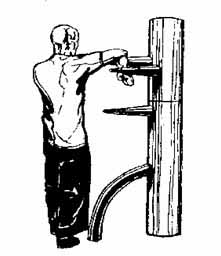
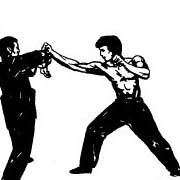
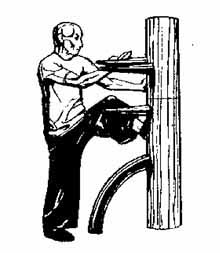
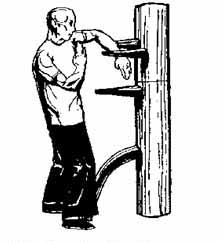
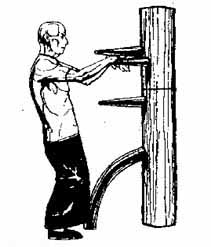
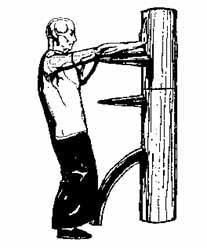
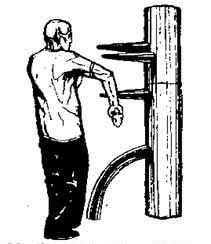
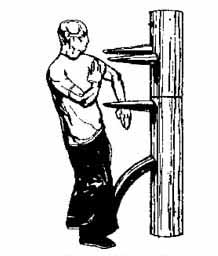
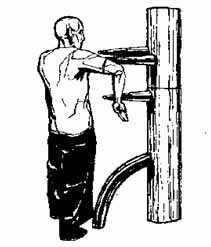
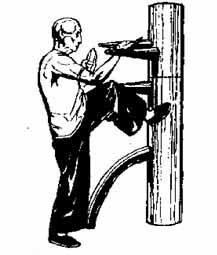
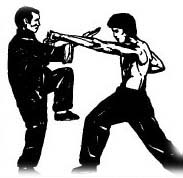
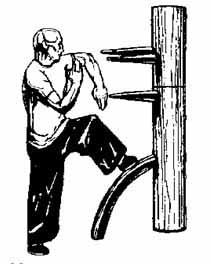
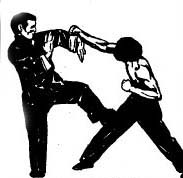
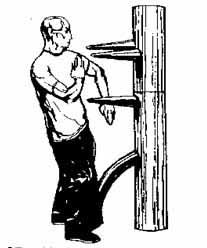
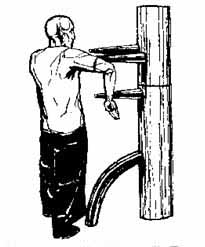
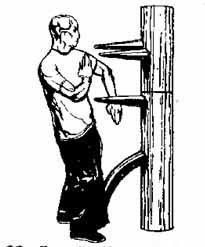
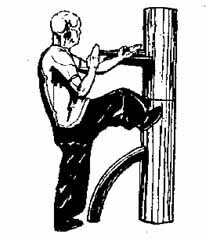
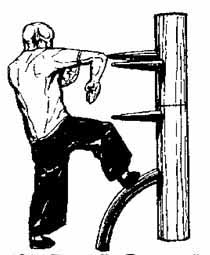
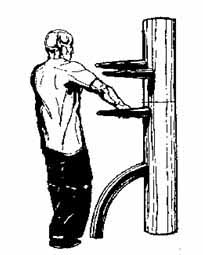
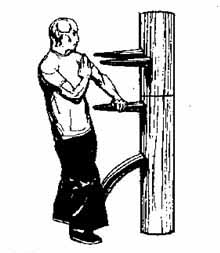
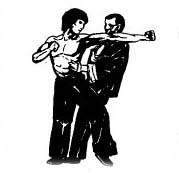
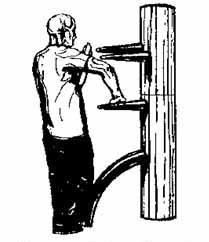
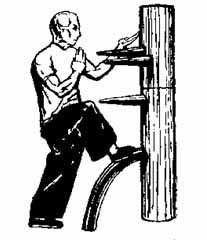
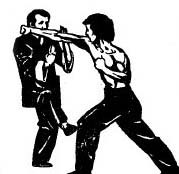
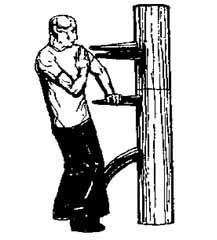
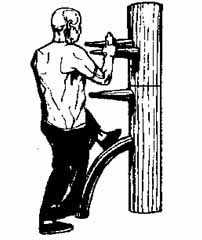
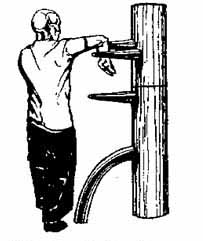
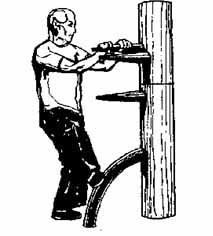
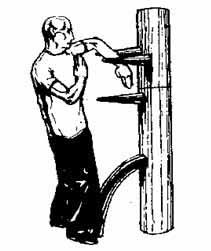
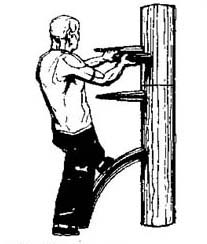
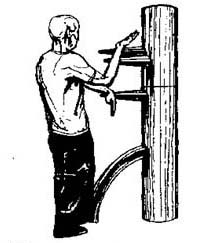
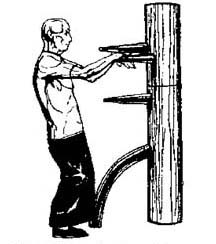
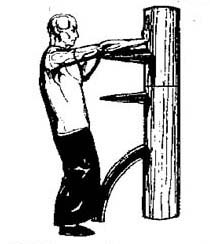
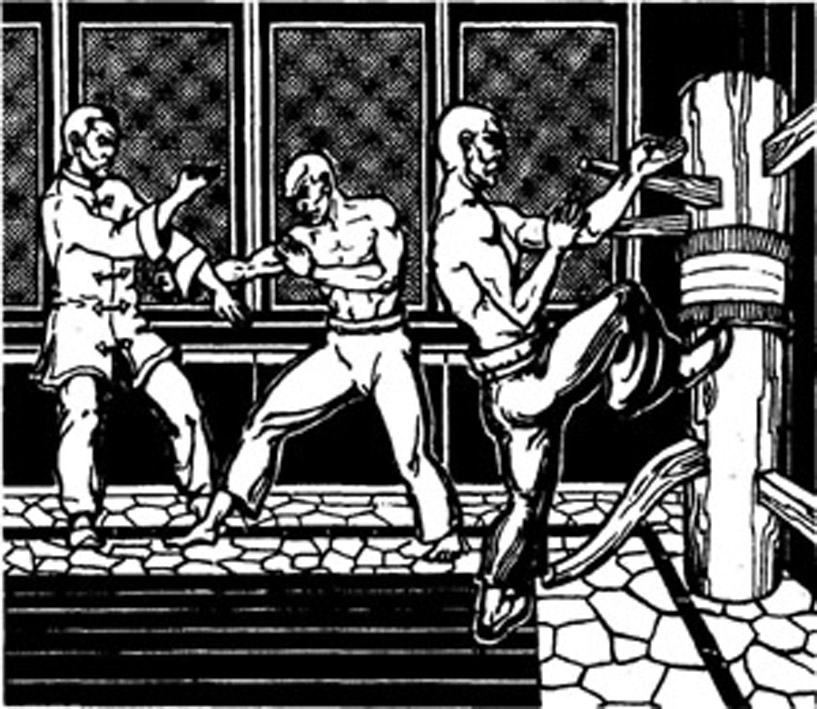
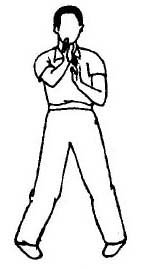
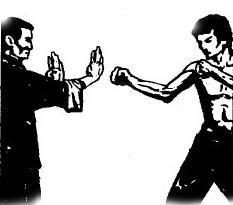
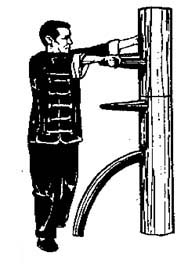
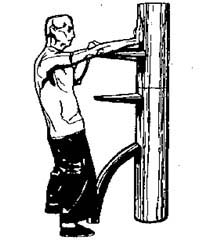
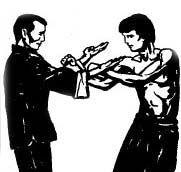
The Dummy - a versatile design, the system of life and knowledge generated of nowhere. The story of the dummy requires a separate investigation and treatment of the ancient treatises, and primary sources. But enough evidence to suggest that the history of a WD the longer of Wing Chun history as an independent style. Will there be a dummy to before create a Wing Chun or Wing Chun has appeared before - difficult to resolve the problem, which requires special studies.
|
| SECTION 1 | ||
![]() |
![]() |
![]() |
![]() |
![]() |
![]() |
![]() |
![]() |
![]() |
![]() |
![]() ![]() |
![]() |
![]() |
![]() |
![]() |
![]() |
![]() ![]() |
![]() |
![]() |
![]() ![]() |
![]() |
![]() |
![]() |
![]() |
![]() |
![]() |
![]() |
![]() |
![]() |
![]() |
| SECTION 2 | ||
![]() |
![]() |
![]() |
![]() |
![]() |
![]() |
![]() |
![]() |
![]() |
![]() |
![]() ![]() |
![]() |
![]() |
![]() |
![]() |
![]() |
![]() ![]() |
![]() |
![]() |
![]() ![]() |
![]() |
![]() |
![]() |
![]() |
![]() |
![]() |
![]() |
![]() |
![]() |
![]() |
| SECTION 3 | ||
![]() |
![]() |
![]() |
![]() |
![]() |
![]() |
![]() |
![]() |
![]() |
![]() |
![]() |
![]() |
![]() |
![]() |
![]() |
![]() |
![]() ![]() |
![]() |
![]() |
![]() |
![]() |
![]() |
![]() |
![]() |
![]() |
![]() ![]() |
![]() |
![]() |
||
| SECTION 4 | ||
![]() |
![]() |
![]() |
![]() |
![]() |
![]() |
![]() |
![]() |
![]() |
![]() |
![]() |
![]() |
![]() |
![]() ![]() |
![]() |
![]() |
![]() |
![]() |
![]() |
![]() |
![]() |
![]() |
![]() |
![]() |
![]() |
![]() |
![]() |
| SECTION 5 | ||
![]() |
![]() ![]() |
![]() |
![]() |
![]() ![]() |
![]() |
![]() |
![]() ![]() |
![]() |
![]() |
![]() ![]() |
![]() |
![]() |
![]() ![]() |
![]() |
![]() |
![]() ![]() |
![]() |
![]() |
![]() |
![]() |
![]() |
![]() |
![]() |
![]() |
![]() |
![]() |
![]() |
![]() |
![]() |
![]() |
![]() |
![]() |
![]() |
![]() |
![]() |
![]() |
![]() |
![]() |
![]() |
![]() |
![]() |
![]() |
![]() |
![]() |
![]() |
![]() |
![]() |
![]() |
![]() ![]() |
![]() |
![]() |
![]() |
![]() |
![]() |
![]() ![]() |
![]() |
![]() |
![]() |
![]() |
![]() |
![]() |
![]() |
![]() |
![]() |
![]() |
| SECTION 6 | ||
![]() |
![]() |
![]() |
![]() |
![]() |
![]() |
![]() |
![]()
|
![]() |
![]() |
![]() |
![]() |
![]() |
![]() |
![]() |
![]() |
![]() ![]() |
![]() |
![]() |
![]() |
![]() |
![]() |
![]() ![]()
|
![]() |
![]() |
![]() |
![]() |
![]() |
![]() ![]()
|
![]() |
![]() |
![]() |
![]() |
![]() |
![]() ![]()
|
![]() |
![]() |
![]() |
![]() |
![]() |
![]() |
![]() |
![]() |
![]() |
![]() |
| SECTION 7 | ||
![]() |
![]() |
![]() |
![]() |
![]() |
![]() |
![]() |
![]() |
![]() |
![]() |
![]() ![]() |
![]() |
![]() |
![]() |
![]() |
![]() |
![]() |
![]() |
![]() |
![]() ![]() |
![]() |
![]() |
![]() |
![]() |
![]() |
![]() |
![]() |
![]() |
![]() ![]() |
![]() |
![]() |
![]() |
![]() |
![]() |
![]() ![]() |
![]() |
![]() |
![]() |
![]() |
![]() |
![]() |
![]() |
![]() |
![]() |
![]() |
| SECTION 8 | ||
![]() |
![]() |
![]() |
![]() |
![]() |
![]() |
![]() |
![]() |
![]() |
![]() |
![]() ![]() |
![]() |
![]() |
![]() |
![]() |
![]() |
![]() |
![]() |
![]() |
![]() |
![]() |
![]() |
![]() |
![]() |
![]() |
![]() ![]() |
![]() |
![]() |
![]() |
![]() |
![]() |
![]() |
![]() |
![]() |
![]() ![]() |
![]() |
![]() |
![]() |
![]() |
![]() |
![]() ![]() |
![]() |
![]() |
![]() |
![]() |
![]() |
![]() ![]() |
![]() |
![]() |
![]() |
![]() |
![]() |
![]() ![]() |
![]() |
![]() |
![]() |
![]() |
![]() |
![]() ![]() |
![]() |
![]() |
![]() |
![]() |
![]() |
![]() |
![]() |
![]() |
![]() |
![]() |
![]() |
![]() |
![]() |
![]() |
![]() |
![]() |
The action choreography is essentially a dance. Unlike traditional "mass" movies where the hero is invincible, Wazim gets beaten up—a lot. The fight in the theater or the chaotic wedding brawl are choreographed to the beat of the music (composed by Vishnu Vijay), making the violence feel rhythmic and almost celebratory rather than grim. 4. The "Vlogger" Reality
At first glance, Khalid Rahman’s Thallumaala (Chain of Fights) seems like a simple story about a hot-headed young man, Wazim, who can’t stop getting into scraps. But underneath the neon lights and fast cuts lies a sophisticated exploration of digital-age ego, "Vlogger" culture, and the geography of Malabar. 1. The Non-Linear Flex The action choreography is essentially a dance
The relationship between Wazim (Tovino Thomas) and Beepathu (Kalyani Priyadarshan) is a fascinating look at celebrity in the Instagram age. Their romance is mediated through screens, followers, and public perception. Beepathu isn't just a love interest; she is a power player in a world where "views" dictate status. it is currently streaming on Netflix
Thallumaala is a "maximalist" film. It’s loud, colorful, and intentionally messy. It captures a specific subculture with such energy that it feels like a 140-minute music video. If you’re looking for a deep plot, you might miss the point—the style is the substance here. Beepathu isn't just a love interest
The movie doesn't just tell a story; it throws pieces of a puzzle at you while you're on a roller coaster. By jumping across different timelines—identified by Wazim's changing hairstyles and outfits—the film mimics the fragmented attention span of the social media era. It treats "clout" as a currency, where every fight isn't just about winning, but about how it looks on camera. 2. Fashion as Armor
If you want to catch it legally in high quality, it is currently streaming on Netflix, where you can appreciate the actual cinematography and sound design that a compressed 720p rip just can't capture.