Young[21] Mp4 -

Build confidence, precision, and consistency — with the most advanced practice app for musicians. The app trusted by Broadway musicians, Juilliard students, and teachers worldwide.

Trusted by 1M+ musicians worldwide
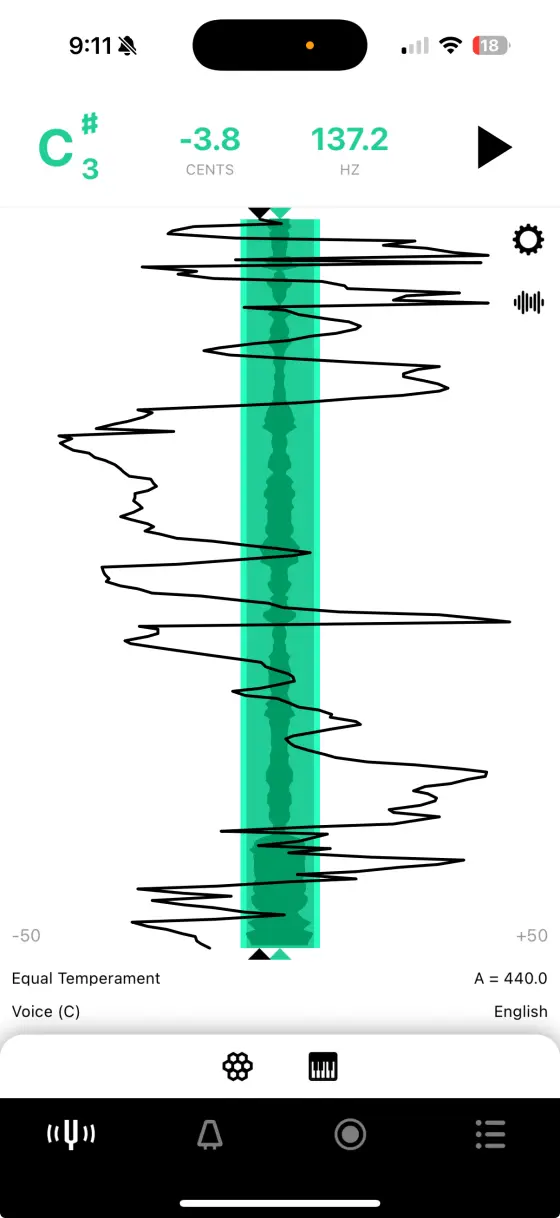
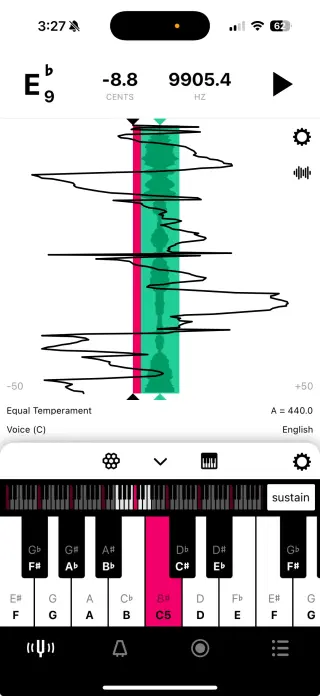
Tunable chromatic tuner showing real-time pitch detection and Sustained Pitch History

Trusted by millions worldwide

The best tuner, metronome, and recorder on iOS and a pitch-perfect bargain for any musician.
MacLife • Technology Review

Trusted by

Tunable is used by students and faculty at the Juilliard School, Berklee College of Music, Broadway productions, and Music Teachers Association members worldwide.

World map showing Tunable users across six continents
For Every Musician

From classroom to concert hall

Tunable grows with you. Start as a beginner, develop your skills, and join the ranks of professionals who rely on Tunable every day.

🎓

Students & Beginners

Build confidence with practice feedback and clear visual cues

🎭

Professional Musicians

Broadway musicians and Juilliard students trust Tunable for precision

👨‍🏫

Music Teachers

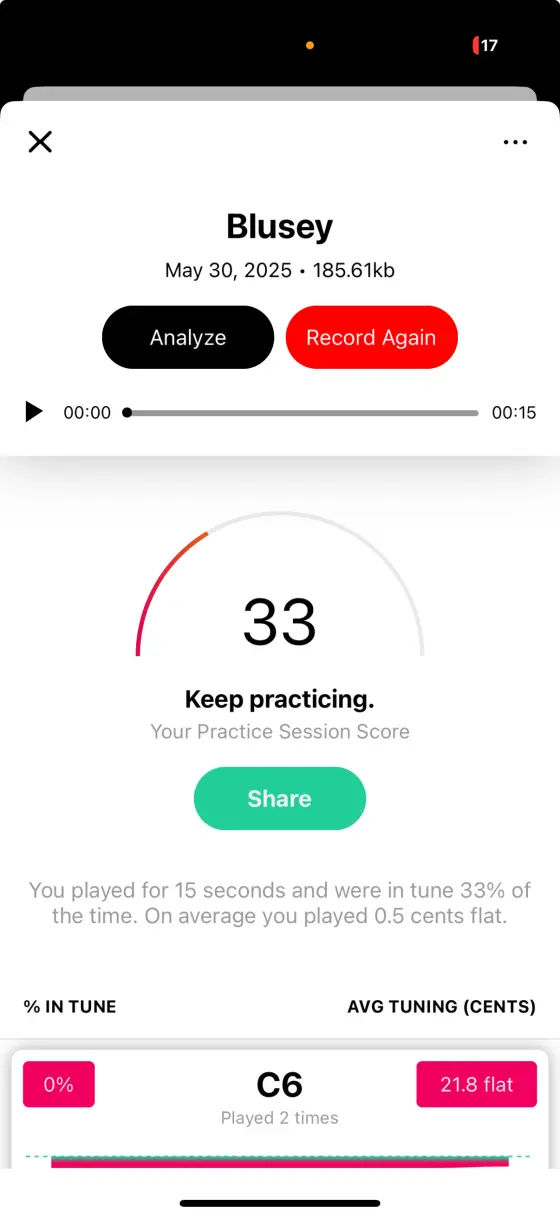
Share recordings and track student progress with detailed analytics

Young student taking first steps in music with Tunable practice app

First Steps

"Perfect for building confidence in young musicians"

Beginner
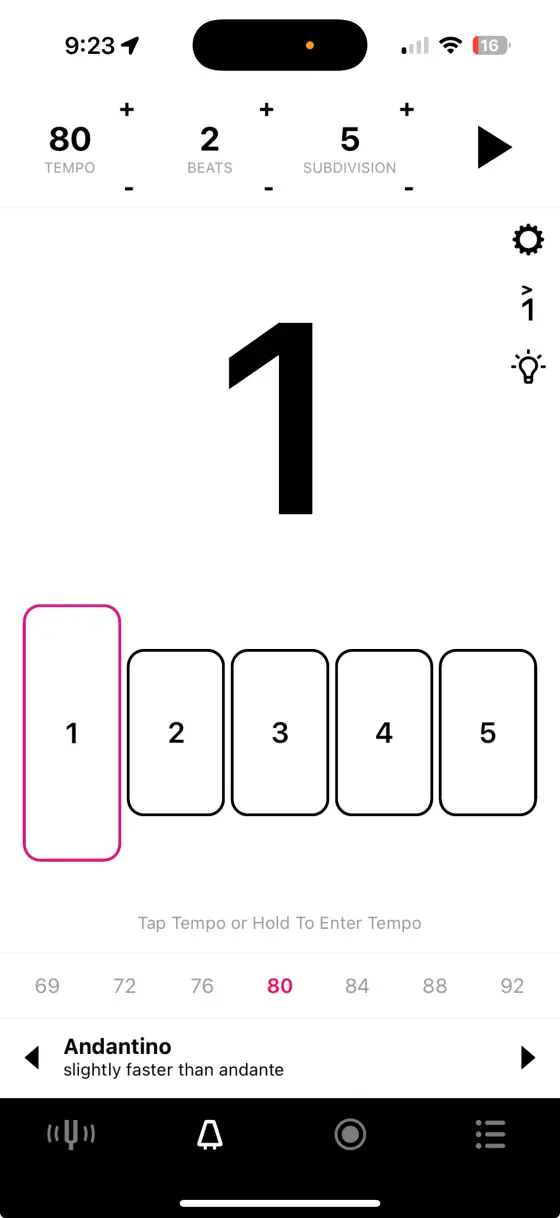
Students practicing together in ensemble using synchronized metronome

Ensemble Practice

"Synchronizes timing across multiple instruments"

School Band
Student performing at Juilliard recital after practicing with Tunable

Elite Training

"Trusted by conservatory students worldwide"

Juilliard
Professional Broadway orchestra musicians who use Tunable

Broadway Orchestra

"Trusted by professional musicians on Broadway stages"

Broadway

Young[21] Mp4 -

Instead of the expected content, the video usually contained a "Screamer" —a brief, low-quality clip that suddenly transitions to a terrifying image accompanied by a loud, distorted scream intended to startle the viewer. Cultural Impact

This file is a classic example of the "screamer" genre that preceded famous YouTube-era scares like the K-fee car commercial or the "Scary Maze Game."

Due to its age and the low-fidelity nature of the footage, it is occasionally mentioned in "lost media" or creepypasta communities, where urban legends are built around mysterious or "haunted" digital files. Technical Note

In research papers, "Young [21]" often refers to a specific study authored by an individual named Young, as seen in publications on platforms like PubMed Central .

Because "Young[21]" is a generic naming convention, it is also frequently seen in:

For many early internet users, encountering this file was a "rite of passage" that taught lessons about the risks of downloading unknown files from unverified sources.

In the era of peer-to-peer file sharing (such as Limewire or Kazaa) and early forums, files were often cryptically named to pique curiosity or bypass filters. "Young[21].mp4" (or similar variations like "Young[21].avi") became a staple of online prank culture.


Instead of the expected content, the video usually contained a "Screamer" —a brief, low-quality clip that suddenly transitions to a terrifying image accompanied by a loud, distorted scream intended to startle the viewer. Cultural Impact

This file is a classic example of the "screamer" genre that preceded famous YouTube-era scares like the K-fee car commercial or the "Scary Maze Game."

Due to its age and the low-fidelity nature of the footage, it is occasionally mentioned in "lost media" or creepypasta communities, where urban legends are built around mysterious or "haunted" digital files. Technical Note

In research papers, "Young [21]" often refers to a specific study authored by an individual named Young, as seen in publications on platforms like PubMed Central .

Because "Young[21]" is a generic naming convention, it is also frequently seen in:

For many early internet users, encountering this file was a "rite of passage" that taught lessons about the risks of downloading unknown files from unverified sources.

In the era of peer-to-peer file sharing (such as Limewire or Kazaa) and early forums, files were often cryptically named to pique curiosity or bypass filters. "Young[21].mp4" (or similar variations like "Young[21].avi") became a staple of online prank culture.
Start your musical journey today

Join millions of musicians who practice with confidence. Download Tunable and discover what you're truly capable of.

Works on iPhone and Android
No ads, no subscriptions required